
Selling your home involves more moving parts than most people expect. As a home staging company, we work with sellers at a very specific and important point in that process,but over the years, we’ve built up a clear picture of the whole journey. We know what happens before us, what happens after us, and exactly where things tend to go wrong.
This guide is our honest walkthrough of the selling process, written from the perspective of people who spend their days making homes sell faster and for better prices. We’re sticking to what we know well, and we’ll let you know where you’ll need other professionals alongside us.
First, Understand the Journey You’re About to Go On
Before anything happens to the house itself, it helps to understand the shape of a typical sale. In the UK, the process from listing to completion can take anywhere from two to six months, sometimes longer if there’s a chain. That’s a long time to keep a property looking its best, manage viewings, and stay calm.
Most sellers come to us somewhere in the middle of a stress spiral: the house has been on the market for a few weeks, viewings are happening, but offers aren’t coming in, and they’re not sure what to change. We’d love to help every seller before that point because staging works best when it’s part of the plan from the start.
Here’s roughly how the process tends to unfold, and where home staging fits in:
The typical selling timeline
- You decide to sell and get valuations from estate agents
- You choose your agent and agree on a pricing strategy
- You prepare the property – repairs, decluttering, staging – this is our zone
- Professional photos are taken and your listing goes live
- Viewings begin, offers come in (or don’t), negotiation happens
- A sale is agreed, conveyancing begins, and the legal side takes over
- Exchange and completion
We sit firmly in that preparation stage. Done well, it makes everything from the photos to the viewings to the negotiation go more smoothly. If done poorly or skipped entirely could put unnecessary pressure on every step that follows.
Getting Your Valuation: What We’d Say as an Outsider Looking In
We’re not estate agents and we won’t pretend to be. But we’ve seen enough sales to know that pricing and presentation are more connected than most people realise.
When a home is beautifully presented, agents can price it with more confidence. When it looks tired, agents often have to price lower to compensate for the buyer risk they anticipate. We’ve seen the same house valued at quite different figures before and after staging, simply because the presented version gave agents more to work with.
What we’d encourage you to think about when getting valuations:
- Ask agents what they think buyers will immediately push back on, as that’s often the thing staging can address
- Ask what comparable homes nearby look like, and whether yours will stand out positively or blend into the crowd
- Ask what price you’d need to be at to attract serious interest quickly – time on the market works against you
We’re not here to advise on what price to set. But we can tell you that a well-staged home consistently gives you more room in that conversation.
If you want a sense of where presentation work pays back, the Home Staging Madders article on why home staging works frames it clearly: buyers don’t “value” paint and cushions, but they do pay more for a home that feels straightforward to move into.
This Is Where We Come In: Preparing the Property
Preparation is where home staging lives. It covers everything that happens to the property before the photographer arrives and it’s the stage that has the biggest impact on how quickly a home sells and at what price.
At Home Staging Madders, we work with sellers to make their home feel like an easy, obvious choice for the right buyer. Not a showroom. Not a departure from who you are. Just a home that photographs brilliantly, feels warm and welcoming in person, and gives buyers nothing to worry about.
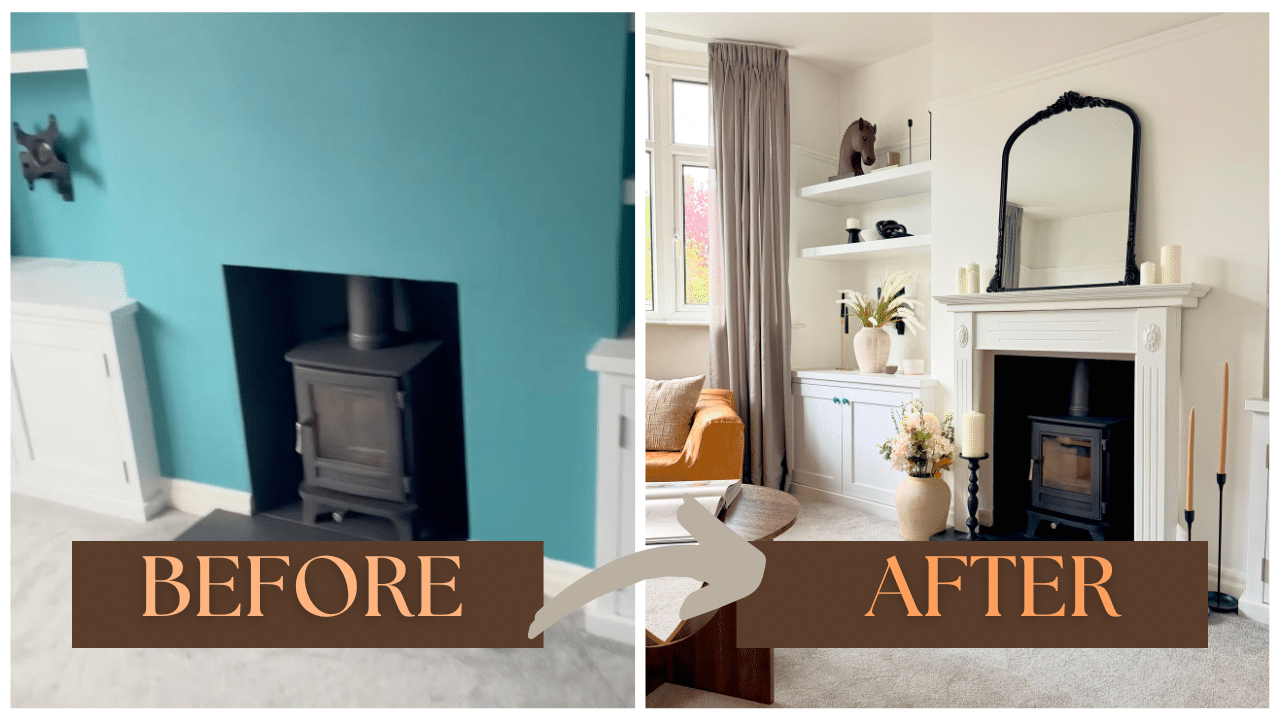
Start with repairs – they matter more than you think
Before we do anything visual, we always flag the things that undermine trust. A buyer walking through a home notices small issues – a dripping tap, a cracked socket plate, a patch of damp smell in a cupboard and their brain starts connecting dots that may not even be connected. ‘If they haven’t fixed that, what else haven’t they fixed?’
We help you see your home through a buyer’s eyes and identify the things that create hesitation. The actual repairs are for a handyman or tradesperson, but spotting what needs to go on that list? That’s something we do naturally as part of every project.
Common things we flag during a staging consultation:
- Peeling paint, scuffed walls, or tired woodwork that makes rooms feel unloved
- Broken or missing light fittings, bulbs, or extractor fans that don’t work
- Sticking doors, cracked window seals, or visible DIY that looks unfinished
- Any sign of damp, mould, or water damage, even if minor
- Tired silicone around baths and showers, or grubby grout
Fixing these before staging is important. There’s no point in beautiful furniture arrangement if a buyer is distracted by a dripping tap in the background.
If you want examples of how presentation plus smart pricing can change results quickly, Home Staging Madders shares a practical case study in from no viewings to a full price offer. The takeaway is not that every home needs a full makeover: it’s that buyers respond to clarity.
Then we make the home feel like somewhere a buyer wants to be
This is the heart of what we do. Home staging isn’t about making a space look like a magazine shoot. It’s about removing the things that cause doubt and adding the things that create a feeling. Buyers make emotional decisions and then justify them logically. Our job is to make sure the emotional experience of walking through your home is a positive one.
Depending on the property and the budget, our work can include:
An up to 2 hr Consultation where we talk about decluttering and depersonalising
We help you strip back the things that make a space feel busy or personal without making it feel empty. A home with too much in it reads as small. A home with too much personality in it makes it hard for a buyer to picture themselves there. We help you find the balance – enough warmth to feel lived-in, enough space to feel generous.
A useful target we often share: aim to remove around a third of the items from each room. If you can’t part with things yet, box them and store them… you’ll be packing anyway.
Furniture placement and flow
The way furniture sits in a room affects how spacious it feels, how it photographs, and how people move through it during a viewing. We look at every room with fresh eyes and think about what a buyer experiences when they walk through the door.
Some of the moves we make most often:
- Moving sofas and chairs slightly away from the walls to create a natural, sociable arrangement
- Removing excess furniture that makes rooms feel smaller than they are
- Using mirrors to bounce light and open up narrower spaces
- Setting up rooms to suggest a purpose, a home office that reads clearly as a home office adds value
Styling and finishing touches
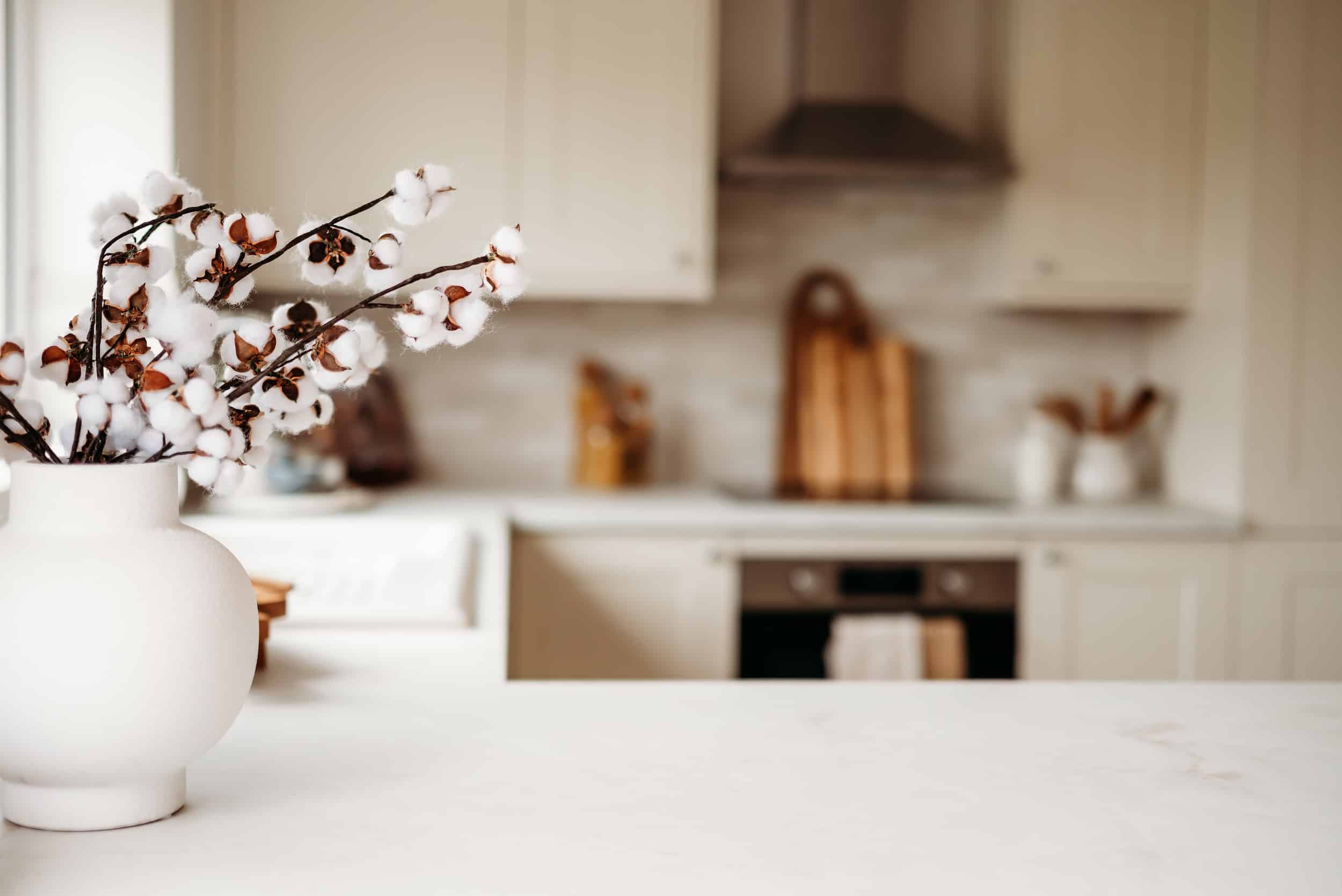
The details matter enormously in photos and in person. Fresh bedding, a clear kitchen worktop with one or two considered items, a simple plant and clean towels in the bathroom. These things signal a home that’s been looked after and is ready to move into.
We don’t overwhelm a space. We edit. The goal is calm, light, and spacious, not overdone.
Kerb appeal
First impressions start before a buyer rings the doorbell. Many buyers have already formed a feeling about a home by the time they reach the front door and that feeling colours everything they see inside.
We look at the front of the property as part of any staging project. A freshly painted front door, a cleared path, a simple planter and a clean doormat can shift the tone entirely. It’s not expensive. It’s just deliberate.
The things buyers often can’t explain, but always notice
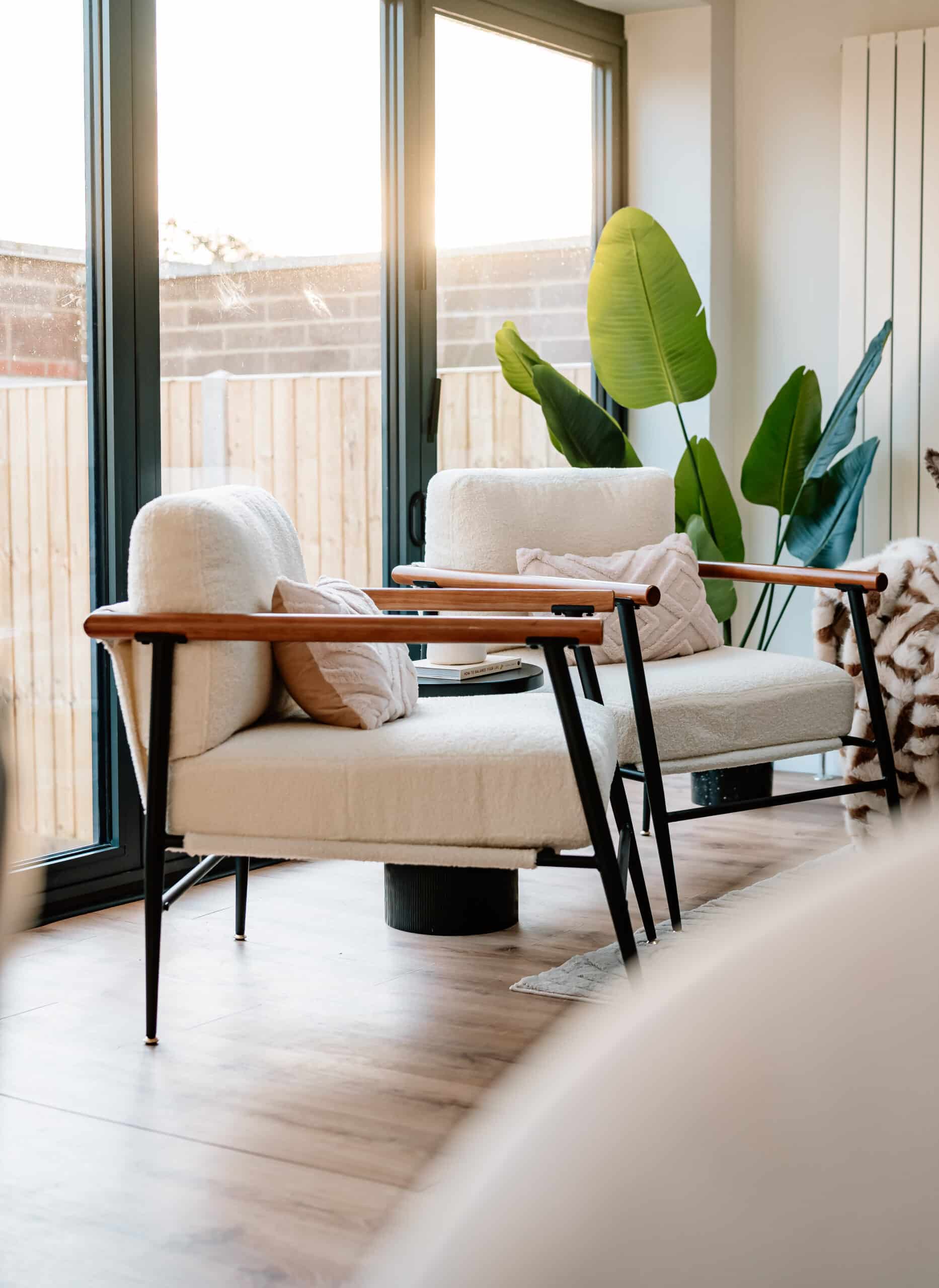
Smell, temperature, and light are the three things that affect a viewing most, and they’re all things staging addresses.
- A home that smells fresh and neutral puts buyers at ease immediately. Heavy air fresheners can feel like a cover-up, so we focus on ventilation and neutrality instead
- Good lighting (natural where possible, warm and well-chosen artificial lighting where not) makes every room feel more appealing and photographs significantly better
- A comfortable temperature on viewing day- not cold, not stuffy- helps buyers linger longer and feel more at home
If you want deeper guidance on presenting a property for maximum impact, the Home Staging Madders page on staging your home to sell is a useful reference point for what “buyer-ready” looks like.
Getting the Photos Right using our Styling for Photography service
Professional photography is the moment where all the preparation either pays off or doesn’t. We work closely with the photography stage because we know exactly what makes a room photograph well.
Before the photographer arrives, we do a final walk-through: bins hidden, bathmats removed, cables tidied, kitchen surfaces clear, beds made to hotel standard. Small details that are easy to miss but show up clearly in images.
Our staging is designed to work in photos, not just in person. That means thinking about what a buyer sees when they look at a listing on Rightmove or Zoopla, because that’s where most buying decisions begin. If the photos don’t make someone want to book a viewing, the house doesn’t sell.
Making Viewings Work
A well-staged home makes viewings easier for everyone. Buyers can move through the space naturally. They can see where their furniture would go. They don’t get distracted by clutter or personal items. The estate agent can talk about the lifestyle and the location rather than apologising for the state of a room.
Our practical advice for viewings:
- Keep the home in its staged state as much as possible during the selling period – yes, it’s a bit of effort, but it matters
- Before each viewing: open curtains, switch on lamps, quickly wipe surfaces and remove pet items
- Air the property beforehand so it smells fresh, not perfumed, just clean
- If you have pets, try to have them out of the property during viewings
- Give buyers space to talk to each other honestly. They need that conversation
When Does Home Staging Work Best?
This is the question we get asked a lot, and the honest answer is: the earlier, the better.
Staging works best when it happens before the photos are taken and before the listing goes live. That first impression on the portals is incredibly powerful, and you only get it once. A listing that launches looking its absolute best attracts more viewings in the first two weeks, which is when buyer interest is highest.
That said, we know that not everyone calls us before they list. We also work with sellers who are mid-market and need to refresh a stale listing, or who have had flat viewings and want to understand why.
The homes where staging makes the biggest difference tend to be:
- Properties that are empty or sparsely furnished, as buyers really struggle to read empty rooms and often underestimate the space
- Homes that are perfectly livable but feel a bit dated, tired, or cluttered. The house is fine, but it doesn’t feel like an easy buy
- Properties in a competitive local market where you need to stand out from similar listings
- Homes where initial viewings haven’t converted to offers and something in the experience isn’t landing
If you’re unsure whether staging would make a difference to your property, that’s exactly the kind of conversation we’re happy to have. Often, a consultation is enough to identify a handful of changes that make a significant impact without a full project.
What We Don’t Do (And Who You Should Turn to Instead)
We believe in being clear about our lane. Home staging is our expertise, but we’re not solicitors, financial advisers, or estate agents, and we don’t try to be.We work best when we’re part of a team. The properties that sell most smoothly tend to be the ones where the seller has good people in all of these roles, and where everyone is working towards the same goal.
For the parts of the selling process outside our expertise, you’ll want to speak to:
- An estate agent – for pricing strategy, buyer vetting, managing viewings, and negotiation
- A conveyancing solicitor – for all the legal paperwork, contracts, searches, and completion
- A mortgage adviser or your lender – for redemption figures, early repayment charges, and financing your next move
- An accountant or tax adviser – if your situation involves Capital Gains Tax (for example, if the property wasn’t your main residence, was let out, or was inherited)
We work best when we’re part of a team. The properties that sell most smoothly tend to be the ones where the seller has good people in all of these roles, and where everyone is working towards the same goal.

The Bottom Line
Selling a home is a process with many moving parts, and the preparation stage – the part we specialise in – has an outsized influence on everything that follows. A home that looks and feels right from day one attracts more viewings, converts more of those viewings into offers, and gives you a stronger position in any negotiation.
If you want a sense of what makes one listing outperform another in a competitive market, the Home Staging Madders post on how to stand out in the property market is a good reminder that “being on the portals” is not the same as being compelling.
We’re here to help you make that happen. Whether you’re in the planning stage before you list, or you’re already on the market and wondering what to change, we’d love to talk.
How to Prepare to Sell Your Home: Frequently Asked Questions
When should I contact a home staging company?
Ideally before your photos are taken and before your listing goes live. The earlier we’re involved, the more impact we can have. That said, we also help sellers who are already on the market and need to understand why viewings aren’t converting.
Does home staging mean I have to move my furniture out?
For empty properties, we can bring in furniture and accessories to help buyers understand and connect with the space.
Will home staging guarantee a higher sale price?
We can’t guarantee a specific outcome – the market, pricing strategy, and your estate agent’s work all play a role too. What we can say is that well-staged homes consistently attract more viewings, spend less time on the market, and achieve stronger offers. The evidence from our own projects and from wider industry data is clear on this.
What does a home staging consultation involve?
We visit the property, walk through every room with you, and give you a clear picture of what we’d change and why. Some sellers take that report and implement the changes themselves. Others ask us to come back and do the work. Either way, you leave with a much clearer sense of what your home needs to compete in the market.
My house is tidy and well-kept. Do I still need staging?
Tidy and well-presented aren’t quite the same thing. A home can be clean and cared-for but still not photograph well, or feel small, or give buyers a reason to hesitate. Our consultation service is about making a home feel like an easy, obvious choice and that’s a slightly different thing from keeping it nice. We often work with homes that are in great condition but just need to be set up to show at their best.