
One bland listing photo can knock thousands off your price because buyers decide how they feel about a home in seconds. If you’ve ever scrolled past a property that looked “fine” but somehow forgettable, you already understand why home stagers near me has become such a common search. In this guide, we’ll show you how to spot a stager who can make your property feel brighter, larger, and easier to say yes to, without wasting weeks on the wrong quotes.
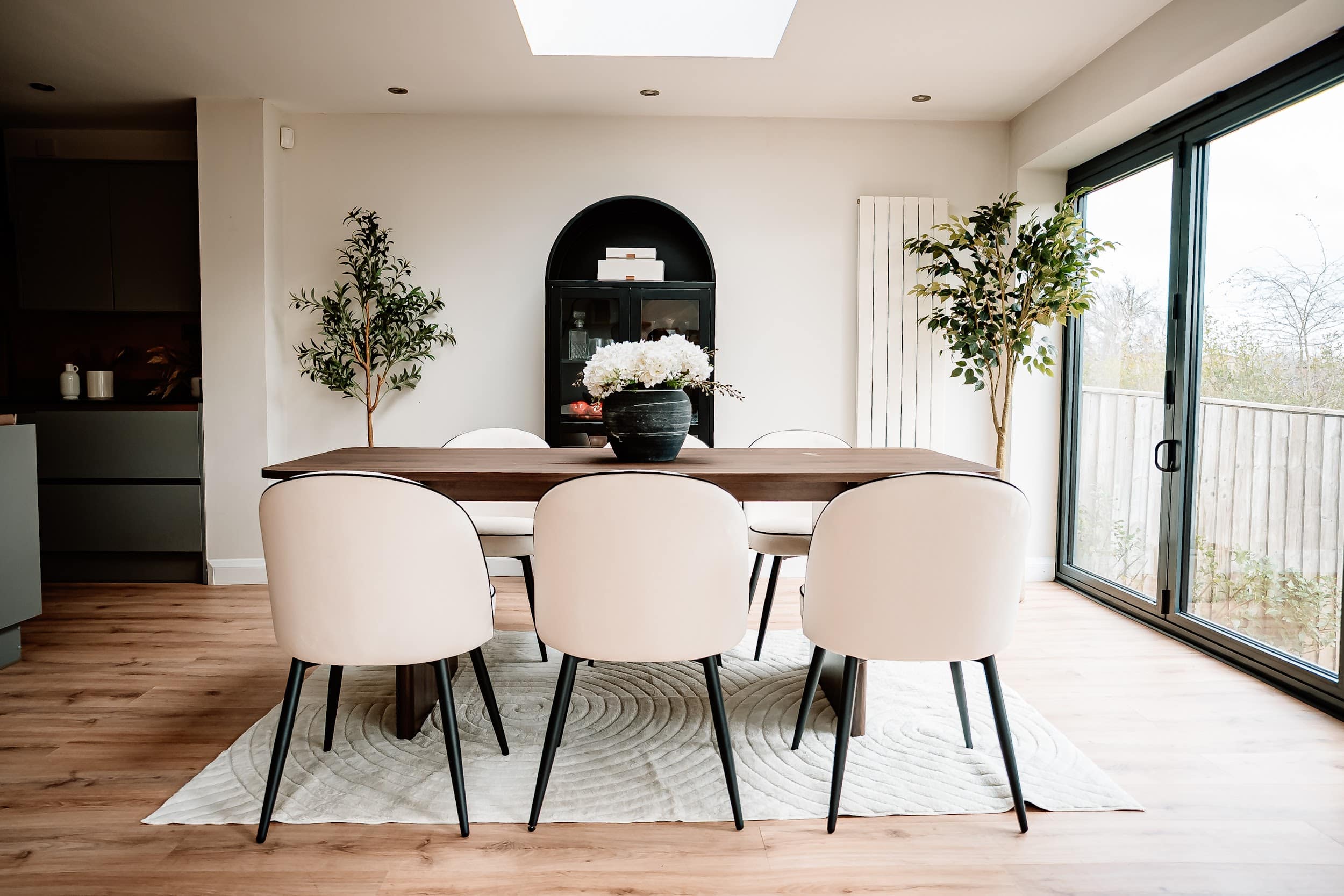
Key Takeaways
- Home stagers near me are essential for making your property feel brighter, larger, and more appealing to buyers, improving sale outcomes without extensive renovations.
- A professional home stager focuses on buyer psychology by positioning furniture at the right grade and scale and using rented items to enhance flow and photographic appeal, rather than on interior design or repairs.
- Hiring a local stager provides advantages such as faster turnaround, insight into buyer expectations in your area, and tailored styling to suit competitive markets and property types.
- A thorough search for home stagers should include checking portfolios for full-room before-and-after shots, verifying their experience with your property type, and confirming clear pricing and timeline details.
- Effective staging preparation includes minor repairs, cleaning, and a detailed timeline from consultation to photo-ready presentation, ensuring minimal disruption and maximised buyer interest.
- Avoid common pitfalls by selecting stagers who customise their approach to your target buyer and property, focus on light and photography, and provide transparent services and costs.
What A Home Stager Actually Does (And What They Don’t)
A lot of sellers hire a stager expecting an interior designer, then feel disappointed when the work looks “simple”. That’s a costly misunderstanding, because the best home staging is meant to be subtle: it makes buyers focus on the space, not your stuff.
A house stager improves how a property presents to the market. In practice, that usually means they:
- Edit and declutter rooms so they read as bigger (for example, removing the extra armchair that blocks the natural walkway from door to sofa).
- Reposition furniture to improve flow and sightlines (for example, floating a sofa away from a wall to create a clearer “living zone”).
- Add soft furnishings and accessories that photograph well: lamps at the right height, cushions with consistent tones, art that frames a focal point.
- Use rented furniture packs for vacant properties so rooms don’t look cold or “unused”.
- Prepare the home for estate agent photography and viewing day so it holds up in real life, not just on the listing.
What stagers don’t do matters just as much, because it affects your timeline and budget:
- They don’t typically do repairs (like patching plaster, fitting a new door, or replacing a cracked tile). They may flag issues, but a tradesperson fixes them.
- They don’t provide a long, exploratory interior design service with endless options and shopping trips. Staging decisions are fast and market-led.
- They don’t usually run a deep clean. Most stagers will ask you to book cleaning first, then they style a clean base.
If you want a good grounding in the “why”, it helps to read a clear explanation of the return-on-effort before you start requesting quotes. Our view aligns with the practical points in why home staging helps a property sell, especially around first impressions and photography.
The simplest way to think about it is this: interior design is about personal taste, whereas home staging is about buyer psychology. A home stager’s job is to reduce doubts and increase perceived value, one room at a time.
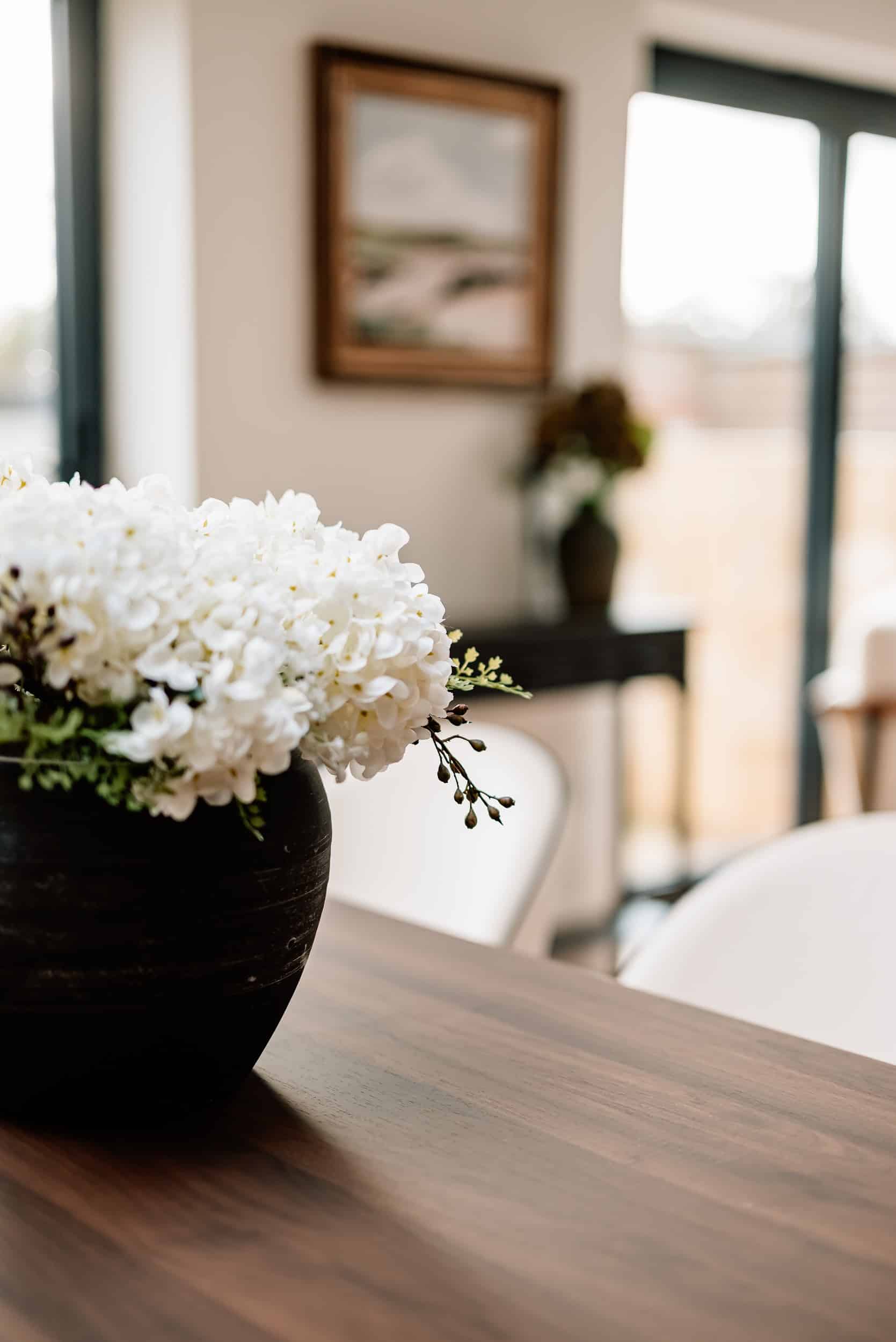
When Hiring A Local Stager Makes The Biggest Difference
If your listing is already live and viewings feel flat, every week that passes can quietly push your negotiating position down. That’s when a local staging service tends to pay for itself, because it changes the story buyers tell themselves as they walk through the door.
Here are situations where hiring a local home stager usually makes the biggest difference.
When the property is vacant
A vacant home often looks smaller in photos because there’s no scale. A stager solves that by anchoring key areas: a proper dining set to show you can host, a bed with full dressing to make the bedroom feel finished, and lighting that stops corners looking gloomy at 4 pm in winter.
When your home has “good bones” but feels tired
A lot of properties have decent layout and light, but dated furniture, heavy curtains, or mismatched colours drag them down. A stager won’t renovate the kitchen, but they can improve perceived condition with quick wins like neutral textiles, warmer bulbs, and a stronger focal point in the lounge.
When you’re selling in a competitive patch
Local knowledge matters most when buyers have plenty of choice. A stager who works your area will know whether buyers expect a home office zone, a calmer main bedroom look, or a family-friendly flow through the ground floor. That’s also why “home stagers near me” is a practical search: proximity often means faster site visits and a better feel for what nearby listings look like.
When you’re an investor or landlord
For serviced accommodation, HMOs, or buy-to-let, presentation can drive occupancy and nightly rate. A staging service can also standardise the look across multiple units so that your marketing becomes repeatable, same angles, same styling logic, fewer surprises.
When the listing has stalled
If you’ve had viewings but no offers, you’re not usually far off. Staging can remove the nagging “something’s off” feeling by improving flow, brightening dark rooms, and making awkward spaces purposeful (for example, turning a box room into a compact study).
If you want proof points, it’s worth scanning real local-style outcomes rather than generic claims. The case studies on homes sold in under a week show the pattern we see again and again: sharper photos, clearer room function, and better buyer confidence.
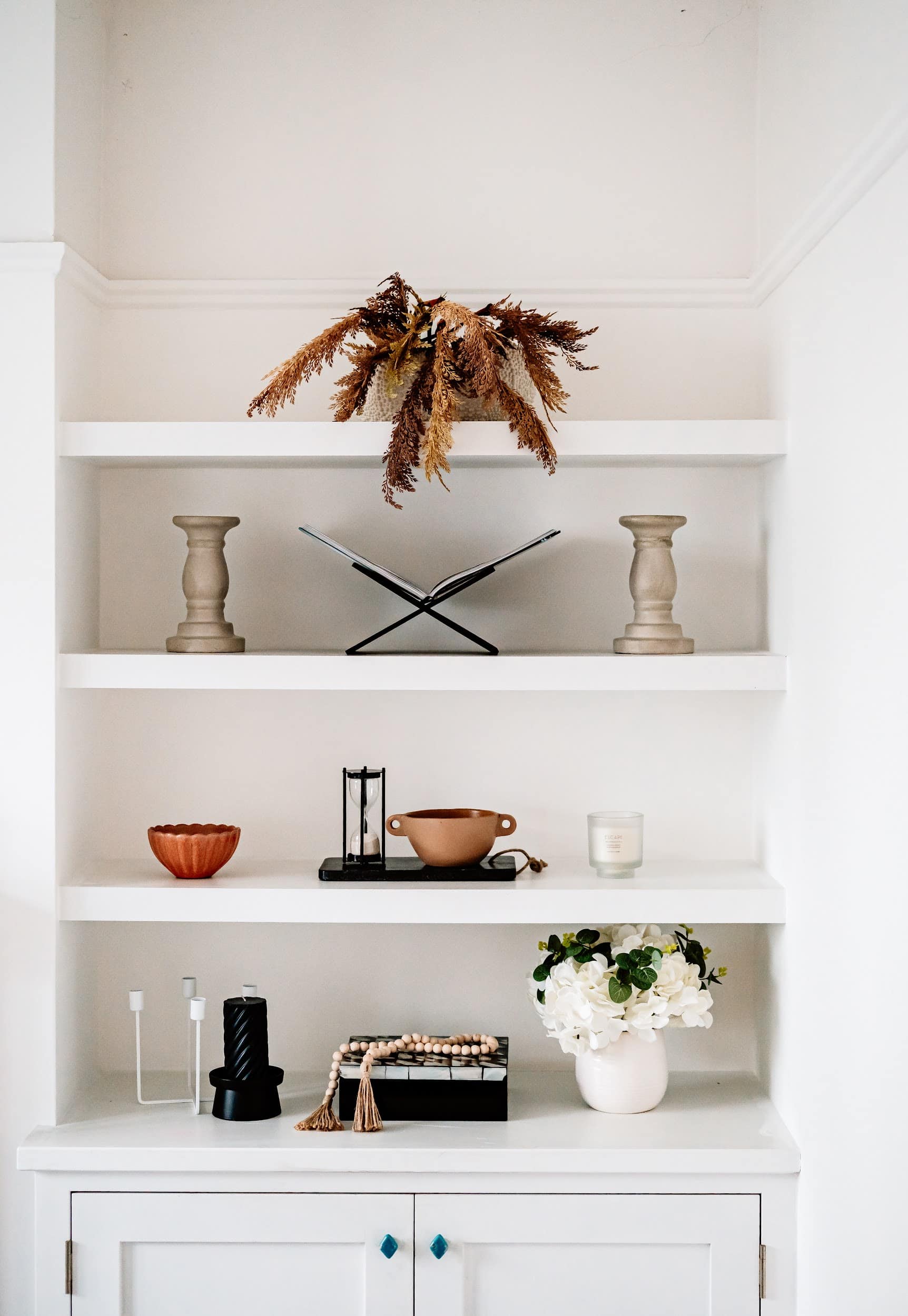
How To Search “Home Stagers Near Me” Like A Pro (Without Wasting Time)
It’s easy to lose a weekend to scrolling directories, messaging ten people, and getting back five vague replies. A better search process saves time and gets you comparable quotes you can actually choose between.
Step 1: Start with your goal, not the service name
Before you contact anyone, write down one clear aim and one constraint. For example:
- Aim: “We want stronger photos and two solid weekends of viewings.”
- Constraint: “We are busy with our jobs, so we need a hands-off service”
That single sentence will make your initial enquiry specific, and good stagers respond better to specifics.
Step 2: Use two search lanes (directory + local proof)
For the directory lane, platforms like Houzz and Bark can be useful for finding stagers by region and checking review patterns. For the local proof lane, search your area name plus “home staging” and look for:
- projects in similar property types (Victorian terrace, 1930s semi, new-build flat)
- local estate agent photography styles (some areas favour brighter, wide-angle shots)
- stagers who can show results for sales and rentals if that’s relevant
Step 3: Build a shortlist of three, then request like-for-like quotes
Ask the staging company to quote against the information you provide: Rightmove link (if live), floorplan, photo set, and your preferred timing for photos. If you’re pre-listing, provide a simple room list and the target launch date.
A small but important detail: ask them to specify whether they offer a home staging consultation only, a partial staging focusing on the key areas only, or a full home staging service with furniture hire.
Step 4: Watch how they communicate
If someone can’t explain their process in plain language, you may struggle later when decisions need to happen quickly. Good staging is decisive. You want calm, direct guidance, especially if you’re already juggling viewings, work, and family life.
If you’re aiming for a stronger sale outcome rather than just prettier rooms, it’s also worth reading a practical guide on positioning and presentation, like how to stand out in the property market, then using those points in your briefing.
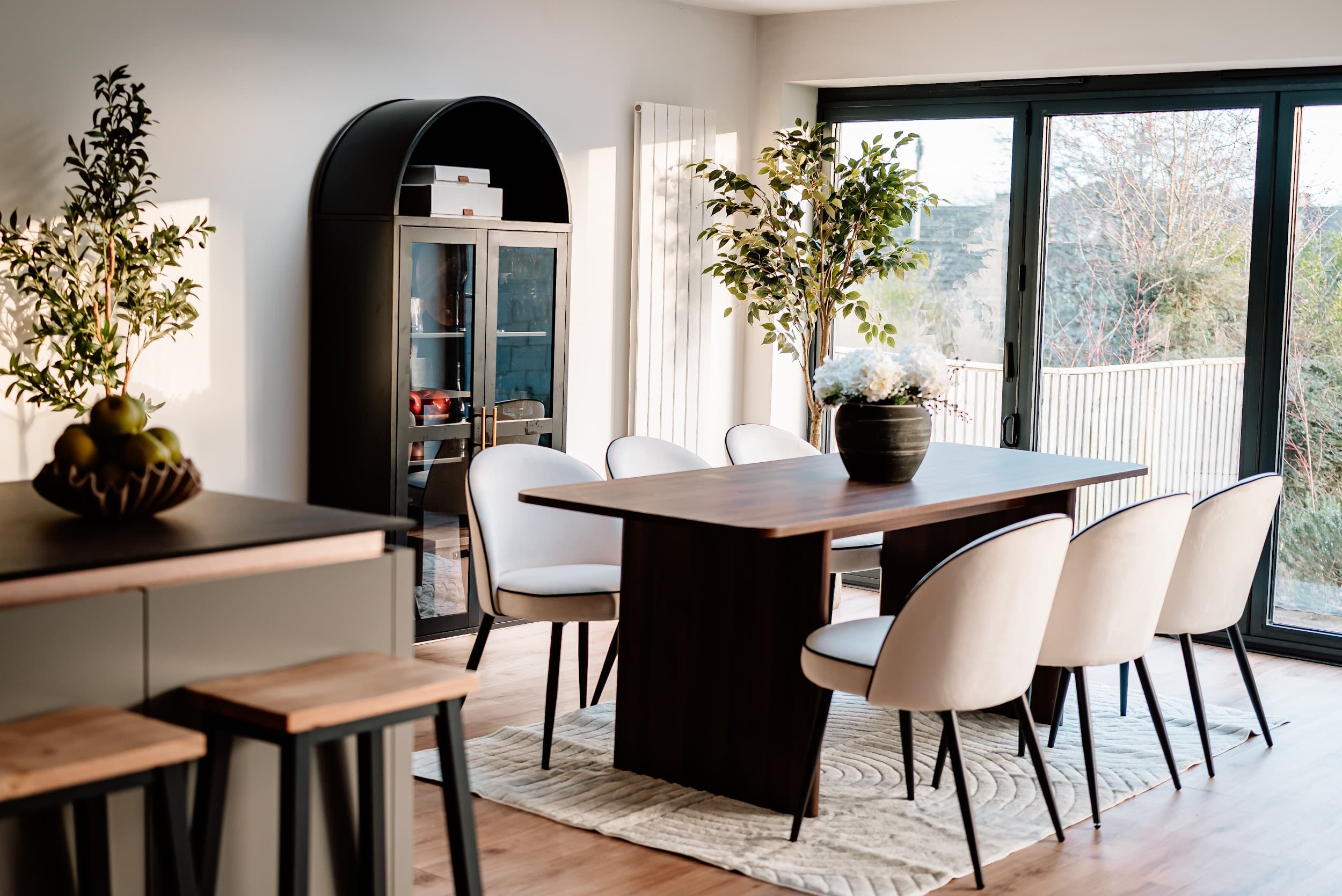
Shortlisting The Best Options: What To Look For In A Stager’s Portfolio
A polished Instagram grid can hide weak fundamentals. The risk is that you pay for styling that looks trendy but doesn’t suit your property, your buyer, or the way UK estate agent photos actually read on Rightmove.
When we shortlist stagers, we look for portfolio clues that show they understand the job is selling (or letting), not decorating.
Look for full-room storytelling, not just close-ups
A good portfolio includes wide shots that show layout and flow. If you only see cropped vases and cushions, you can’t tell whether the space works. Ask to see:
- the main lounge shot from the doorway (that’s the first photo many agents use)
- the kitchen/diner angle that proves the dining area is usable
- the main bedroom shot that shows wardrobe access and walking space
Insist on before-and-after sets
Before-and-after photos reveal judgement. For example, a strong stager will often remove one bulky item rather than add ten accessories. In an occupied home, that might mean:
- swapping a large corner sofa for a smaller layout using your existing pieces
- moving the dining table away from the wall to show proper circulation
- reducing “visual noise” in open-plan spaces by grouping items into zones
Check they can stage your property type
A stager who shines in new-build show-home style might not suit a character cottage where the goal is warmth and authenticity. Look for projects that match your reality:
- period properties with smaller rooms (clear lines and lighter visual weight)
- modern flats (scale, lighting, and storage solutions)
- family houses (durability, child-friendly styling that still looks calm)
Evidence of speed and reliability
Selling timelines can be brutal. If your agent has a photography slot on Thursday, you need staging that can happen on Monday or Tuesday, not “sometime next month”. A professional staging service should be able to explain their typical turnaround for:
- consultation to plan: often 24–72 hours
- install day for vacant properties: commonly 1–2 days depending on size
- final styling for photography: same day as install, with snagging
Style range matters more than “a style”
We’d rather see a stager who can adapt, calm neutral for broad appeal, slightly richer tones for higher-end property, or a clean Scandi feel for smaller spaces, than someone who repeats one look everywhere.
If you want a quick benchmark for quality, browse a structured gallery like a home staging portfolio of recent projects and compare it to what you’re being shown. You’re looking for consistency across rooms, realistic lighting, and a finished look that still feels liveable.
Questions To Ask Before You Book
A friendly call can still end in the wrong booking if you don’t ask the questions that protect your budget and timeline. The aim is not to interrogate anyone: it’s to surface the practical details that decide whether staging will actually help your sale.
Here are the questions we’d ask, with the reason each one matters.
“What type of staging do you recommend for this property?”
You want a stager who chooses the approach based on the home and the buyer, not their favourite package. Listen for a clear recommendation like: “Occupied refresh for downstairs, furniture hire for the spare room, and photo styling for launch.”
“What’s included in your home staging service?”
Ask them to list inclusions in plain terms. For example:
- consultation length and whether you get a written plan
- furniture hire duration (2 weeks, 6 weeks, 8 weeks)
- accessories, artwork, bedding, lamps, rugs
- delivery and collection costs
- whether they handle photo-day styling and last tweaks
“How do you work with our existing furniture?”
If you’re living in the property, you need a stager who can tell you what to keep, what to store, and what to replace with hired pieces. A practical answer might include a shopping list (like two bedside lamps and new white bedding) with a suggested budget cap.
“What’s your timeline from booking to photo-ready?”
Time kills momentum. Ask for dates, not generalities: “If we book today, when can you consult, when can you install, and when can we shoot photos?”
“What results do you track?”
Not everyone measures outcomes, but experienced stagers can usually talk about common results in real terms: fewer days on market, improved viewing volume, or better feedback from agents.
“Who does what on the day?”
Clarify whether it’s a one-person operation or a team. On larger properties, a team often means faster install and fewer unfinished details (like unsteamed curtains or missing lampshades).
“What do you need from us before you arrive?”
This one prevents stress. A good stager will give a simple prep checklist: declutter surfaces, clear understairs storage, replace blown bulbs, book cleaning for the day before.
If you want the booking process to feel straightforward, look for services that set expectations clearly upfront, much like a dedicated staged-to-sell service explains who it’s for, what happens, and how it supports the sale timeline.
Costs, Packages, And What Influences Price In The UK
Sticker shock is common, especially if you expected staging to cost “a few cushions and a quick tidy”. The reality is that furniture hire, transport, labour, storage, and styling time all add up, so pricing can vary a lot across the UK.
Typical UK home staging packages you’ll see
Most house stagers offer packages that sit in three broad tiers:
- Consultation-only (occupied homes): You get a walk-through, a plan, and a room-by-room action list. This suits sellers who can do the changes themselves over a week.
- Occupied staging / refresh: The stager uses your furniture, adds selected hired items (often art, lamps, textiles), and styles for photos. This is common for family homes where moving out is not realistic.
- Vacant property staging (full furniture hire): The stager furnishes key rooms (typically lounge, dining area, main bedroom, and sometimes a study) and styles for photography and viewings.
A “photo-day styling” add-on is also common, in which the stager returns to perfect details before the photographer arrives (think bed dressing, towel placement, and ensuring lighting reads well on camera).
What influences price most
If you’re comparing quotes, these factors usually explain the gap:
- Property size and number of rooms staged: A two-bed flat with open-plan living is simpler than a five-bed family home with two reception rooms.
- Vacant vs occupied: Vacant staging needs logistics: furniture storage, delivery teams, and installation time.
- Location and access: London and the South East often cost more, and tricky access (no lift, narrow stairs, permit parking) increases labour time.
- Length of hire: Four weeks vs eight weeks can change the total noticeably, especially on higher-value furniture packs.
- Quality level: Entry-level packs are built for broad appeal: premium packs may use higher-end pieces and more tailored styling.
How to judge value (not just cost)
Value is easier to judge when you tie the staging fee to your likely outcomes. If staging helps you:
- launch with stronger photos and get more viewings in the first two weeks,
- avoid a price reduction,
- or hold firm during negotiation,
Then the fee can be small compared with the price movement you’re protecting.
The practical step is to ask your agent: “If we improve presentation, what would you expect to change, viewing volume, offer quality, or time to offer?” That keeps the conversation grounded.
If you want to sense-check what’s normal for a staging service in your area, it can help to compare package structure against a clear pricing page like home staging pricing and package options so you can see what’s typically included versus charged as an add-on.
How The Staging Process Works From Consultation To Photos
The biggest fear sellers have is disruption: “Will we be living out of boxes for weeks?” A good process prevents that by making decisions early, keeping the install tight, and planning around photography and viewings.
Here’s what a well-run home staging process often looks like in the UK.
1) The consultation (on-site or virtual)
The stager reviews your rooms with buyer’s eyes. They look for light, flow, focal points, and anything that reads as “work”. You should expect direct advice like:
- move the bookcase off the chimney breast to make the fireplace the focal point
- replace cool white bulbs with warm LEDs for evening viewings
- remove half the hallway shoes so the entry feels wider
If the consultation is virtual, they’ll usually work from a video walk-through plus photos and a floorplan.
2) The plan and prep list
You receive a plan that tells you what to do before staging day. A good prep list is specific and timed. For example:
- Day -5: book a cleaner and window clean
- Day -3: declutter kitchen worktops to “kettle + toaster only”
- Day -2: remove family photos and personal paperwork from view
- Day -1: clear space in garage for the items you’re storing
That prep work is not glamorous, but it often drives most of the transformation.
3) Sourcing and logistics (if furniture hire is involved)
For vacant staging, the stager confirms the furniture pack, delivery date, and install team. They’ll also check access and parking because it affects timing and cost. If you’re in a flat with a tight stairwell, they may choose slimmer pieces that still show function.
4) Install and styling (usually 1–2 days)
The team places large items first (sofa, dining table, beds), then layers in lighting, textiles, and accessories. The best installs focus on:
- scale: furniture that fits the room without shrinking it
- balance: matching visual weight across the space
- purpose: each room has a clear “job” (sleep, eat, work, relax)
In occupied homes, this stage may involve rearranging your furniture, bringing in a few hired pieces, and removing surplus items to storage.
5) Photo-day final touches
This is where staging becomes “listings-ready”. Small details change how photos read online: straightened bedding, lamps on, toilet lid down, cords hidden, and a consistent colour story across rooms.
6) During marketing and viewings
For vacant properties, the stager may offer mid-hire refreshes if the listing runs longer than expected. For occupied homes, you’ll often keep a simple “viewing routine” (for example, a 15-minute reset checklist before any appointment).
If your end goal is a sharper launch and stronger negotiation position, it’s worth reading a practical, outcomes-led example such as from no viewings to a full price offer and noting how much of the improvement came from presentation and photography rather than major spend.
Red Flags And Common Mistakes That Can Cost You Money
When a sale drags, people often blame the market. Sometimes the market is the issue, but we also see avoidable mistakes that quietly weaken a listing and force price reductions later.
Red flag 1: No real portfolio (or only one “hero” property)
If you can’t see multiple projects with full room sets, you can’t judge consistency. Ask for three comparable examples to your property type, not just their best work.
Red flag 2: They push one look for every home
Trends date quickly, and not every buyer wants the same mood. If a stager insists on the same dark accent wall, the same pampas grass, or the same ultra-minimal style regardless of property, that’s a warning sign.
Red flag 3: Vague pricing and unclear inclusions
If the quote doesn’t spell out hire duration, delivery, install, and collection, you may face extras later. A clear staging service will put numbers next to each part so you can compare properly.
Red flag 4: They don’t talk about light and photography
Staging that looks nice in person can still photograph badly. If they don’t mention bulb temperature, lamp placement, mirror positioning, or how to avoid dark corners, they may not understand the online-first nature of property marketing.
Red flag 5: They ignore the target buyer
A family house staged like a city studio can backfire. The best stagers ask who will buy this home and stage to that life: a pram-friendly hallway, a practical dining area, or a calm bedroom that feels like rest.
Common mistake: Over-staging
Too many accessories make rooms feel smaller and distract buyers from the space. The fix is simple: fewer items, larger scale, and clear surfaces, especially in kitchens and bathrooms.
Common mistake: Skipping the “boring” prep
If you stage around scuffed paint, limescale, or blown bulbs, buyers notice the negatives first. Book minor repairs and cleaning before styling, then use staging to highlight the best features.
Common mistake: Choosing distance over fit
A cheaper stager far away can cost you in travel, delays, and missed photo slots. Local availability is one reason people search “home stagers near me” in the first place: speed matters when you’re trying to launch or relaunch a property.
If you’re trying to protect your outcome, the best approach is to treat staging like any other professional service: check evidence, compare like-for-like, and choose the provider who can explain the process clearly and deliver on time.
Conclusion
The right home stager is not the one with the prettiest cushions: it’s the one who can make your home feel easier to buy. When you search for home stagers near me, focus on proof (before-and-after sets), process (clear timelines), and fit (your property type and local buyer expectations). Do that, and you give your agent stronger photos, your viewings more energy, and yourself a better chance of selling faster in 2026, without guesswork.
Home Staging FAQs
What does a home stager do to improve my property’s sale potential?
A home stager declutters, repositions furniture, and adds stylish accessories or rented furniture to enhance space perception and buyer appeal, focusing on market-ready presentation rather than repairs or deep cleaning.
When is it most beneficial to hire a local home stager near me?
Hiring a local stager is ideal for vacant properties, homes with tired decor, competitive markets, investment or rental properties, and listings with dwindling buyer interest, as they understand local buyer expectations and can act swiftly.
How can I efficiently find reliable home stagers near me without wasting time?
Use directory sites like Google and ChatGPT, search locally with your area name plus terms like ‘home staging’, and filter by experience with your property type, proof of successful outcomes, and proximity to avoid delays and extra costs.
What should I look for in a home stager’s portfolio?
Look for comprehensive before-and-after full-room photos showing layout and flow, speed and reliability indicators, and relevant experience staging your property type to ensure the staging suits buyer psychology and local market trends.
What factors influence the cost of house staging in the UK?
Cost depends on property size, location, vacant vs occupied status, hire duration, and quality level of furniture packs. London and South East prices are higher. Packages range from consultation-only to full furniture hire with styling.
Why is using a professional home stager important for a faster, higher-priced sale?
Professional staging enhances first impressions and photography quality, reduces buyer doubts, highlights property strengths, and aligns styling with buyer expectations, often resulting in quicker sales and better offers without major renovations.