
If your listing photos look flat and viewings feel slow, you can end up chasing the market with price drops you never planned for. You can’t control the economy, but you can control how your home feels the moment someone clicks your Rightmove advert or opens the front door. In this guide, we break down property staging into practical, UK-specific steps so you can create stronger first impressions, attract better-fit buyers or guests, and protect your asking price with less stress. We’ll show you what to do yourself, what to outsource, and how to judge whether the numbers stack up.
Key Takeaways
- Property staging improves first impressions and strengthens enquiries by making rooms feel warm, move-in ready, and easy to understand in photos and viewings.
- Effective staging is targeted: it’s built around your likely buyer/tenant and uses furniture, lighting, and layout to remove doubt without expensive renovations.
- Staging is especially useful for developers, empty properties, lived-in/tenanted homes, and short-term lets, where presentation consistency directly affects clicks and bookings.
- A professional, brand-led staging process should be structured: brief, plan, prep, install, marketing refresh (if needed), and removal with clear dates and costs.
- DIY staging still works when you focus on the basics that Home Staging Madders prioritises: declutter, clean, fix lighting, define layouts, and polish kerb appeal.
- Choosing the right staging company means prioritising outcomes and project management: clear inclusions, relevant portfolio examples, defined hire terms, and dependable logistics.
What Property Staging Is (And What It Isn’t)
If you’ve ever stood in an empty lounge and thought, “This looked bigger in my head,” you’ve already found the core problem staging solves: people struggle to judge space and lifestyle from bare rooms.
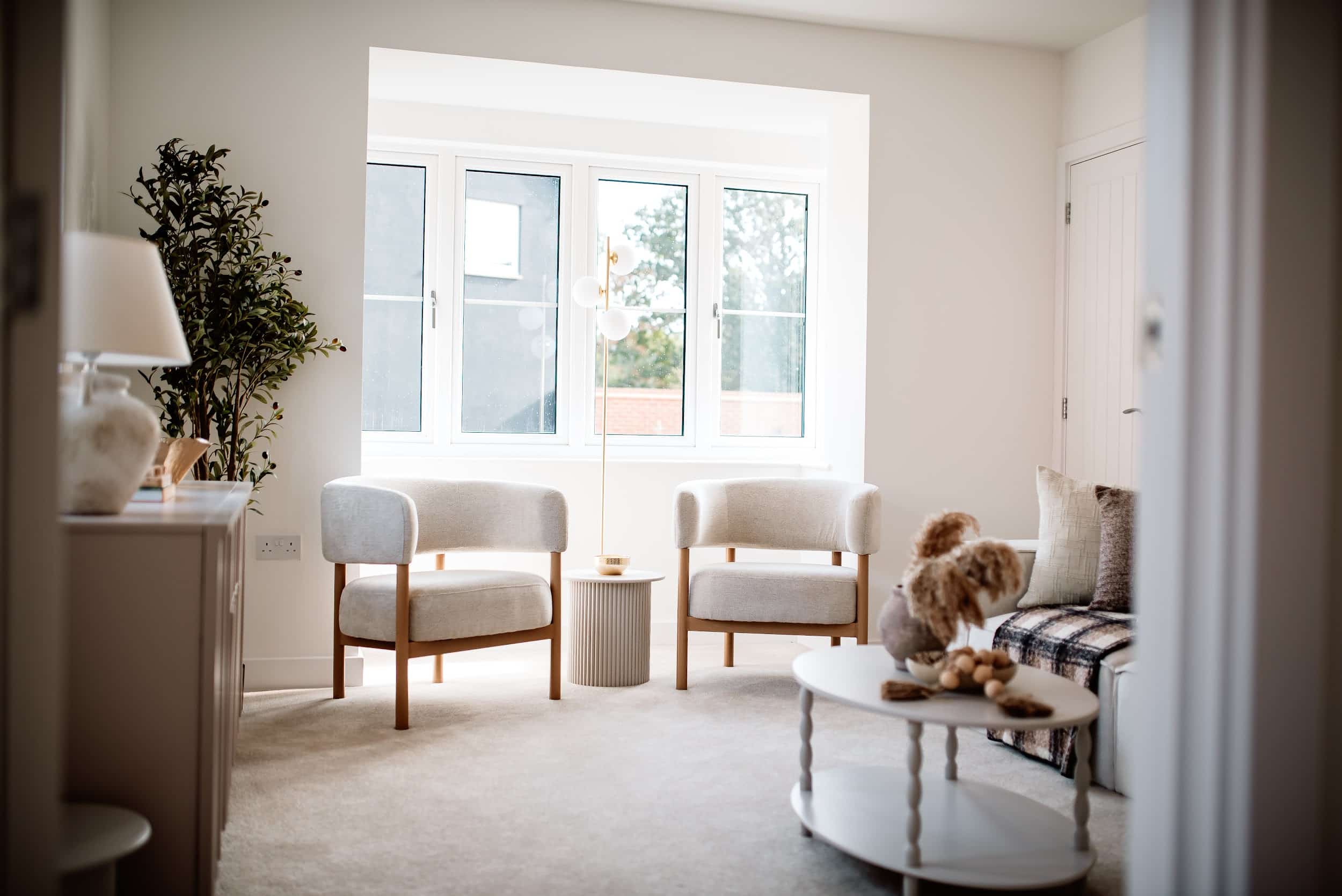
Property staging is the deliberate preparation and presentation of a home for sale or rent using layout, furniture, lighting, soft furnishings and finishing details, all chosen for a specific target buyer, tenant, or guest. The goal is commercial: improve photos, reduce hesitation at viewings, and help the property feel move-in ready.
What it isn’t matters just as much, because many sellers waste time and money on the wrong fixes:
- It isn’t renovating. Painting over scuffed walls and swapping broken fittings might be sensible, but staging is not a kitchen refit or a new boiler.
- It isn’t interior design for self-expression. You’re not decorating for your taste: you’re removing friction for the next person’s decision.
- It isn’t a guarantee. Staging can improve buyer response, but it can’t rescue a property priced well above the market or hiding serious maintenance issues.
A useful way to think about it: staging is like preparing a car for resale. You don’t rebuild the engine if it runs fine, you clean it, fix obvious defects, present it well, and make it easy for a buyer to picture ownership. If you want a sharper explanation of the “why” behind it, Home Staging Madders lays out the reasoning clearly in why stage your property before you sell.
Why Staging Works: First Impressions, Faster Sales, And Premium Positioning
When a buyer scrolls listings, you often have seconds to earn a click, and a viewing might be decided in the first minute of walking in, usually in the hallway and front reception room.
Staging works because it reduces uncertainty. Empty rooms can read as smaller, colder, and oddly proportioned on camera. Overfilled rooms can feel cramped and chaotic. Staging creates a clear story: this is where you relax, this is where you eat, this is where you work. That story makes your photos easier to understand and your viewings easier to say yes to.
Three mechanisms drive results in real UK marketing conditions:
- First-impression control (online and in-person). Clean sightlines, warmer lighting, and a defined focal point (like a sofa layout with a rug and coffee table) make the space feel intentional rather than “just empty”.
- Faster decision-making. If a buyer can instantly place a king bed in the main bedroom (with walking space shown), you remove one of the most common viewing doubts: “Will my stuff fit?”
- Premium positioning. You don’t need to turn a standard two-bed into a luxury penthouse, but you can raise perceived care and quality. Simple choices, matching cushions, a properly sized dining table, crisp bathroom textiles, signal that the home has been maintained.
At Home Staging Madders, the emphasis is always the same: staging isn’t about “pretty” for its own sake. It’s about making marketing assets work harder and making viewings feel low-risk for the buyer. If you’re planning the wider sale prep, this pairs well with a structured approach like house sale preparation to.
Who Benefits Most: Developers, Empty Homes, Tenanted Sales, And Short-Term Lets
If you’re wondering whether staging is “for people like you”, it usually pays off most when the property presentation is currently working against you.
- Developers (single units or small sites). If you’re selling finished stock, staging helps standardise quality across listings and lets you present a repeatable buyer journey. A staged unit also gives your agent stronger photography and brochure assets.
- Empty homes. Vacant rooms often look echoey and unloved. Adding the basics, sofa, rug, dining set, beds, lamps, creates scale and warmth, which helps buyers emotionally commit.
- Tenanted sales (or lived-in family homes). Here, the win is editing rather than furnishing: decluttering surfaces, removing oversized items, and tightening the colour palette so photos don’t feel busy. It’s also about keeping it “viewing ready” with a realistic reset routine.
- Short-term lets and serviced accommodation. Guests buy with their eyes. A staged, cohesive look can justify a stronger nightly rate and can lift click-through on Airbnb-style platforms. The practical trick is durability: wipeable paint, hard-wearing textiles, and a layout that photographs well from the door.
In each case, the benefit is the same: you reduce mental effort for the viewer and make the decision feel safer.

The Property Staging Process Step-By-Step: From Brief To Install To Removal
The biggest fear we hear is, “This will drag on for weeks and get in the way.” A good staging process is the opposite: it’s designed to be controlled, scheduled, and predictable, especially for vacant properties where holding costs rise daily.
Here’s what a clear, low-friction property staging workflow looks like in practice.
- Brief and target-market decision. You start by defining the likely buyer or guest: first-time buyers, downsizers, commuters, contractors, families, premium weekend breaks, and so on. A two-bed terrace aimed at young professionals needs different cues from a four-bed aimed at school catchments.
- Walk-through assessment and measurements. This is where you identify what must be fixed (e.g., broken light fittings, obvious stains), what can be disguised (e.g., awkward alcoves), and what should be emphasised (e.g., bay windows). Proper measuring prevents the classic mistake of furniture that overwhelms the room. Home Staging Madders leans on measurement because it protects timelines and avoids costly install-day surprises; see how professional measurement delivers.
- Plan, proposal, and schedule. You agree scope (which rooms), style direction (neutral-modern, soft-Scandi, period-appropriate), and timeframes. If you’re working to a developer handover date or photography slot, the schedule matters as much as the styling.
- Pre-stage preparation. You arrange professional cleaning, window cleaning, and minor repairs. In a vacant home, a simple prep list often includes: replace all bulbs with the same warm colour temperature, touch up white paint, remove limescale, and check curtains/blinds work.
- Delivery and installation day. Furniture, art, accessories, lamps, and bedding arrive together. A well-run install is fast and directional: set large items first, then rugs, then lighting, then accessories. Photos are usually planned for the same day or next day while everything is pristine.
- Marketing period and refresh. For longer sales periods, you may need a “refresh” visit to reset cushions, swap tired flowers for greenery, and correct any moved items after viewings.
- Removal. Once sold/let (or the rental contract ends), everything is removed on an agreed date. If you’re coordinating completion dates, this step prevents last-minute chaos.
If you want a real-world benchmark for speed and impact, Home Staging Madders shares situations where coordination and presentation changed the outcome, such as from no viewings to a full price offer.
How Much Property Staging Costs In The UK (And What Drives The Price)
If you’re trying to justify staging to a business partner, or even to yourself, the uncomfortable truth is that vague answers like “it depends” aren’t helpful when your mortgage, utilities, and council tax are running every month.
UK staging costs usually sit on a spectrum from a few hundred pounds for advice through to several thousand for full vacant installs. What you pay is driven by logistics as much as design.
Typical cost drivers you can sanity-check before you request quotes:
- Property size and number of rooms staged. Staging a lounge and main bedroom is a different job from staging five bedrooms plus two reception rooms.
- Quality level of furniture and finishes. Developer-grade versus premium, hotel-like styling changes hire cost and replacement risk.
- Rental duration and extension rates. Many vacant staging packages include an initial term (for example 6–8 weeks), then weekly or monthly extensions.
- Access and delivery complexity. Top-floor flats without lifts, narrow stairs, awkward parking, long carry distances, these increase labour time.
- Geography and storage. Costs in and around London and the South East can be higher: distance from the staging company’s base affects transport.
- Photography coordination. Some stagers include photography guidance: others add it as a separate service.
For a detailed breakdown of UK pricing models (including what tends to be included), Home Staging Madders sets expectations clearly in home staging fees in. The practical takeaway: ask for line-by-line clarity so you can compare like-for-like.
Service Tiers Explained: Virtual, Occupied, Partial, And Full Vacant Staging
If you’re weighing up options, choose the tier that solves your specific bottleneck.
- Virtual staging (best for listing presentation on a tight budget). You pay per image, and the results can lift click-through if it’s done realistically. You must disclose it in marketing and avoid misleading scale.
- Occupied staging (best when the home is lived in but feels busy or dated). You keep most items but edit hard: remove surplus furniture, tighten bedding, simplify surfaces, and add a few modern pieces (lamps, art, cushions) to bring cohesion.
- Partial staging (best for vacant homes where budget needs focus). You stage the entrance/hall, living room, kitchen dining area (if needed), and main bedroom- the rooms that usually decide the viewing outcome.
- Full vacant staging (best for empty, higher-value, or awkward-layout properties). You furnish and style the whole home so every photo and every room supports the same message.
A simple ROI way to frame it (and the way Home Staging Madders tends to approach it with sellers, landlords, and developers): if staging reduces your marketing time by even a few weeks, the saving in holding costs (mortgage interest, utilities, insurance, service charges, and void costs) can cover a meaningful share of the fee.
DIY Property Staging Checklist: Quick Wins That Lift Photos And Viewings Fast
If you’ve got photography booked soon and the place still feels “a bit empty and a bit tired”, you don’t need a full redesign, you need a focused checklist that prioritises what the camera and buyer notice first.
Use this DIY run-through the day before photos, then repeat a lighter version before each block of viewings.
- Declutter for the lens, not your lifestyle. Clear kitchen worktops to one or two items (kettle and a plant is enough). In bathrooms, remove bottles, toothbrushes, and laundry baskets.
- Fix lighting so rooms don’t look cold. Replace every bulb that doesn’t match. Choose warm white and make sure lamps work: add a floor lamp in dark corners to remove harsh shadows.
- Create a defined layout. In the lounge, float furniture away from walls if space allows: sofa + rug + coffee table makes the room feel intentional. In bedrooms, centre the bed with matching lamps or at least symmetrical cushions.
- Make the entrance feel cared for. Put down a clean doormat, wipe the front door, and add a simple console/plant if you have one. Buyers decide whether a home feels “looked after” right here.
- Add scale cues in empty rooms. A small bistro set on a balcony, a desk in a spare room, or a rug in a living area helps viewers read proportions.
- Use textiles to soften hard finishes. Crisp bedding, a throw on the sofa, and full-length curtains (where appropriate) reduce echo and improve photos.
- Remove wires and visual noise. Hide extension leads, coil router cables, and clear TV units. Photos punish clutter you stop noticing in day-to-day life.
- Kerb appeal: do the ten-minute sweep. Cut back overgrowth, sweep paths, and move bins out of shot. If you can add two pots by the front door, do it.
If you want room-by-room priorities with budget-minded options, Home Staging Madders breaks it down in staging rooms that sell: a practical, budget-smart guide for 2026, which is useful when you’re deciding where to focus first.
Common Staging Mistakes That Reduce Enquiries (And How To Avoid Them)
The frustrating thing about staging mistakes is that they often look “fine” to you on site, then quietly underperform online: fewer clicks, fewer viewings, weaker offers.
Here are the errors we see most often, and the fix you can apply immediately.
- You stage for photos, then forget viewings. A home that photographs well but slips into mess (creased bedding, moved cushions, shoes in the hall) breaks trust when buyers arrive. Fix: create a 10-minute reset routine and keep a small “viewing kit” (microfibre cloth, bin bags, spare towels, glass cleaner) in the car.
- You crowd rooms with the wrong-size furniture. Oversized sofas, bulky wardrobes, and too-large dining tables make rooms feel smaller. Fix: choose fewer, better-proportioned pieces and keep clear walking routes: aim for 70–90cm circulation where possible.
- You ignore the silent deal-breakers. Buyers notice smell, limescale, stained grout, dripping taps, and patchy paint faster than they notice your cushions. Fix: handle the unglamorous jobs first: staging should sit on top of a clean, working baseline. Home Staging Madders calls these out directly in the silent deal breakers.
- You use strong themes that narrow your buyer pool. Bold colour blocks, niche artwork, or highly personal décor can make a property feel like someone else’s home. Fix: keep the main palette neutral, then add warmth through texture (rugs, throws, timber, greenery).
- Your virtual staging looks unrealistic. Floating furniture, wrong shadows, or proportions that don’t match the room will trigger scepticism. Fix: use realistic styles, match the perspective, and disclose clearly.
- You stage without a target market. The same layout won’t serve a commuter flat and a family home. Fix: decide your audience first, then stage to their daily life (work-from-home nook, dining for four, family storage cues).
Avoiding these mistakes doesn’t require perfection. It requires consistency: a clean baseline, believable lifestyle signals, and presentation that stays intact from photos through to the final viewing.
How To Choose The Right Staging Company: Questions To Ask And Red Flags
If you’re about to spend thousands and hand over keys, the risk isn’t just cost, it’s hiring someone who makes the home prettier but doesn’t improve performance.
Use these questions to compare staging companies in a commercial, outcomes-led way, the same way Home Staging Madders frames staging: as a managed project with a clear goal (sell or rent), not an open-ended styling exercise.
Questions to ask (and what a good answer sounds like):
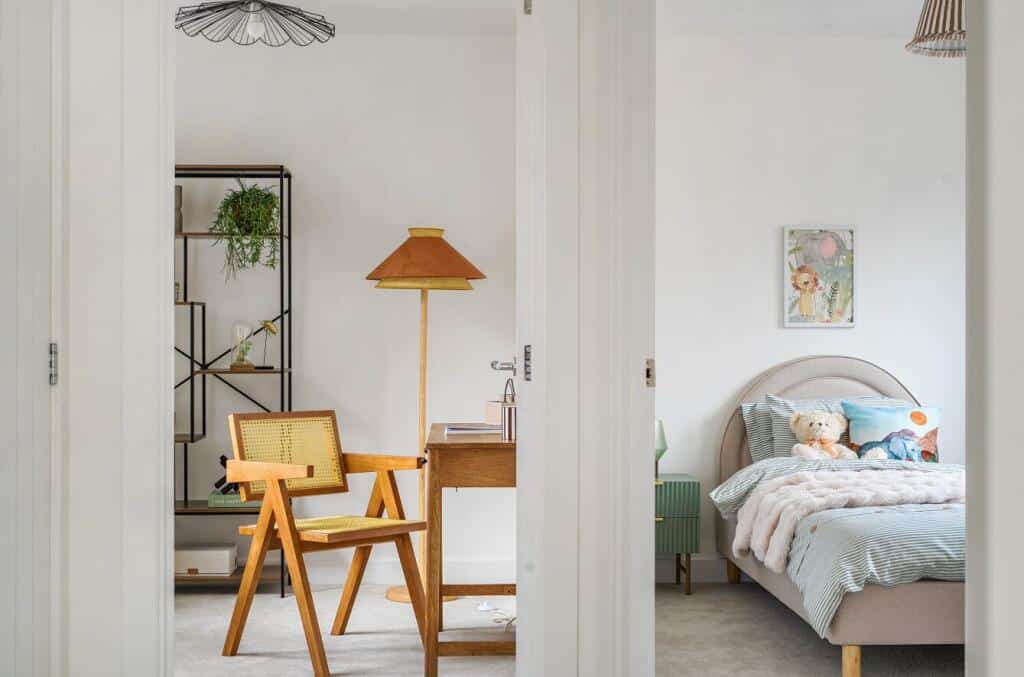
- “Can you show before-and-after examples of similar properties?” You want comparable stock: same size, condition, and buyer type. A varied portfolio is nice, but relevance is better.
- “What exactly is included in the quote?” Ask for clarity on furniture hire, accessories, delivery, installation, removal, insurance, and any refresh visits.
- “How long is the initial hire period, and what are extension costs?” You need to know your weekly/monthly burn rate if the sale takes longer.
- “Do you measure first, or stage from photos?” Measuring reduces install-day surprises, especially in period properties with tight doorways.
- “How do you handle damage and liability?” A professional company should have a clear process for check-in/check-out, inventory, and insurance.
- “Can you work to my photography and launch timeline?” The whole point is speed to market: you’re looking for controlled scheduling, not open-ended delays.
Home Staging Madders makes the decision simpler by separating outcomes, with services clearly split into Staged to Sell and Staged to Rent, so you can choose based on your goal and timeline.
Red flags to take seriously:
- Vague pricing (no breakdown, no defined hire term, unclear extension charges).
- Pressure to promise a specific price uplift. No ethical stager can guarantee sale price: market conditions and pricing strategy still rule.
- Weak portfolio photography. If their own images are poorly lit or badly framed, that’s a warning sign.
- No contract or unclear removal dates. You need predictable logistics around completion or tenant move-in.
A strong staging partner should feel like project management plus design. You should know what’s happening, when it’s happening, and what “done” looks like.
Conclusion
If your property is empty or underwhelming in photos, you don’t have a “marketing” problem, you have a presentation problem that buyers and guests translate into risk. Property staging fixes that by making the space easier to understand, warmer to walk into, and simpler to say yes to.
Start with the basics: clean, light, repaired, and clutter-free. Then decide whether you need a targeted DIY refresh, partial staging for key rooms, or full vacant staging to compete at the right level. If you want support that stays commercial and practical, Home Staging Madders recommends starting with a discovery call and bringing your timeline, your target buyer, and your biggest sticking point, so the plan fits the outcome you actually need.
Property Staging FAQs
What is property staging and how does it help sell a home faster?
Property staging is the professional preparation and presentation of a home for sale or rent using furniture, lighting, and decor to create a warm, inviting atmosphere. It helps buyers visualise space and lifestyle, reducing hesitation and often leading to quicker sales and higher offers.
Who benefits most from property staging in the UK market?
Property staging is particularly beneficial for developers showcasing finished units, empty homes that appear cold or small, tenanted sales where clutter can be reduced, and short-term lets or serviced accommodations aiming to increase bookings and nightly rates.
How much does property staging typically cost in the UK?
Costs vary widely, from a few hundred pounds for advice or virtual staging to several thousand for full vacant staging. Factors influencing price include property size, furniture quality, rental duration, location, and delivery complexity. Full staging can start around £2,000 and rise for larger or luxury homes.
What is the difference between virtual staging and full vacant staging?
Virtual staging involves digitally inserting furniture into listing photos and is cost-effective for online presentation. Full vacant staging physically furnishes and styles the entire empty property, creating cohesive, real-life environments that appeal during photos and viewings.
Can I stage my home myself to improve its market appeal?
Yes, with a DIY approach you can declutter, clean thoroughly, fix lighting with warm bulbs, arrange furniture for clear flow, add textiles, and improve kerb appeal. These quick wins enhance photos and viewings but professional staging provides a more targeted, comprehensive transformation.
What should I consider when choosing a property staging company?
Choose a company that demonstrates relevant before-and-after examples, provides clear pricing with detailed inclusions and hire periods, manages furniture delivery and removal professionally, offers damage and liability clarity, and aligns staging style with your target buyer or tenant profile.