
One slow property sale can cost more than you think: price drops, extra mortgage payments, and that constant feeling you’re stuck in limbo. Most homes don’t lose out because they’re “bad” homes: they lose out because buyers can’t picture a life there in the first 30 seconds. A home stager fixes that problem with practical changes that make your home look brighter, calmer, and easier to say yes to. In this guide, we’ll break down what staging actually involves, what it tends to cost in the UK, and how to judge whether it’s likely to pay off for your sale in 2026.
Key Takeaways
- A house stager improves your property’s appeal by decluttering, optimising furniture layout, managing lighting, and making minor cosmetic fixes to create a welcoming, neutral space.
- Staging helps buyers imagine living in your home, which can lead to faster sales and potentially higher offers by enhancing first impressions both online and during viewings.
- Typical UK house staging involves a clear process: walkthrough assessment, actionable planning, decluttering, light maintenance, styling, and preparing the property for professional photography.
- Cost models for house staging vary from consultation-only plans to full staging including furniture hire, with costs generally justified when less than monthly holding costs or expected price reductions.
- Staging is most beneficial for empty, dated, or awkwardly laid-out homes and is less necessary if the property is already well-presented and neutral.
- Choose a reputable house stager by reviewing realistic portfolios, clear pricing, and their ability to explain their staging decisions based on buyer psychology and market fit.
What A Home Stager Actually Does (And What They Don’t)
A viewing can fall apart for a silly reason: the hallway feels tight, the living room feels dark, or every surface is covered in “life stuff”. A home stager steps in to remove those friction points so buyers focus on the property, not the clutter.
In plain terms, a home stager prepares a home for the market. We’re talking about a presentation with a sales goal, not decoration for your personal taste. That usually means:
- Decluttering with intent: not just bin bags, but deciding what stays because it helps a room read well (for example, two cushions and one throw, not nine mismatched ones).
- Furniture layout that improves flow: moving a sofa 20 cm, removing a spare chair, or swapping rooms around so the “best” room becomes the main living space.
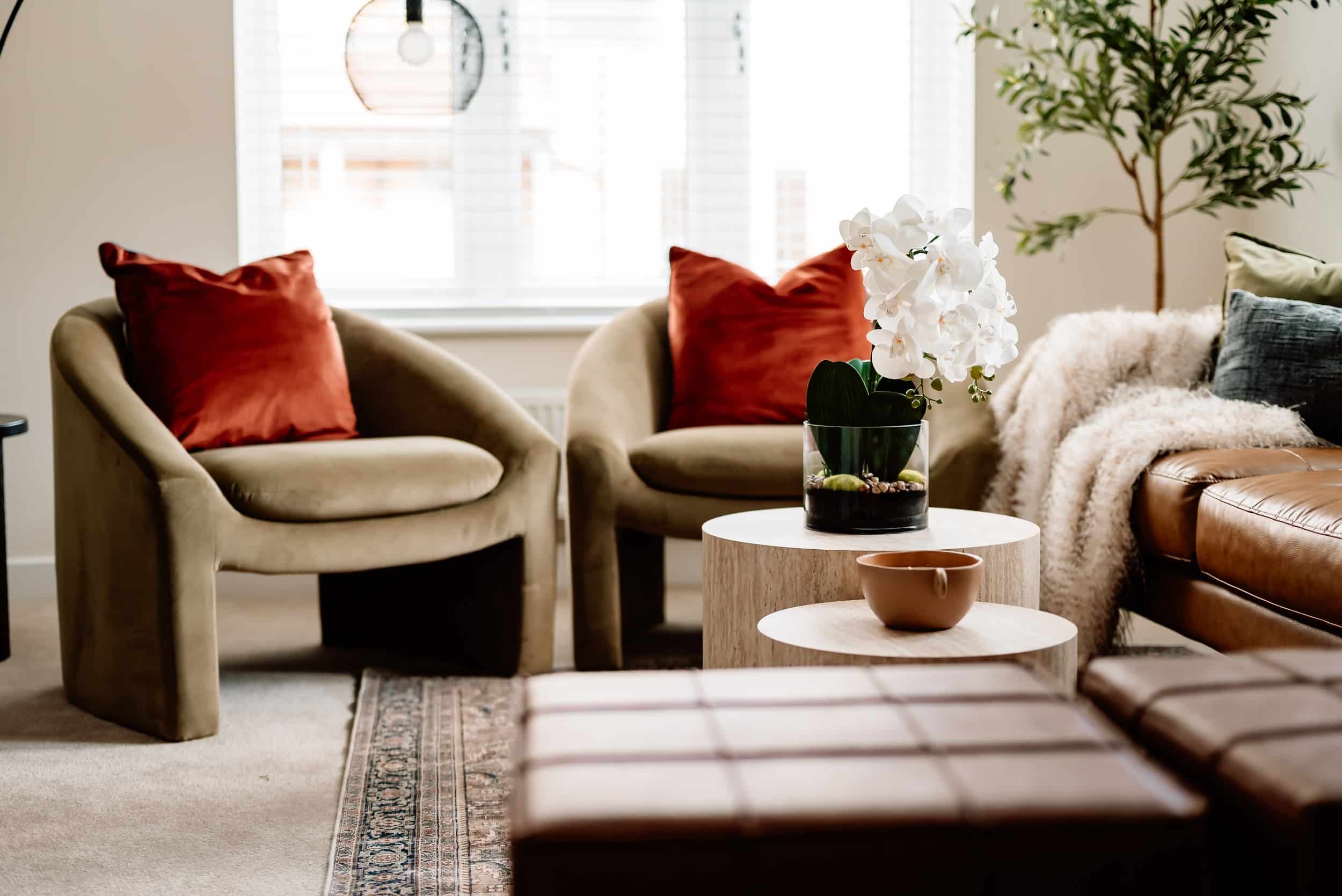
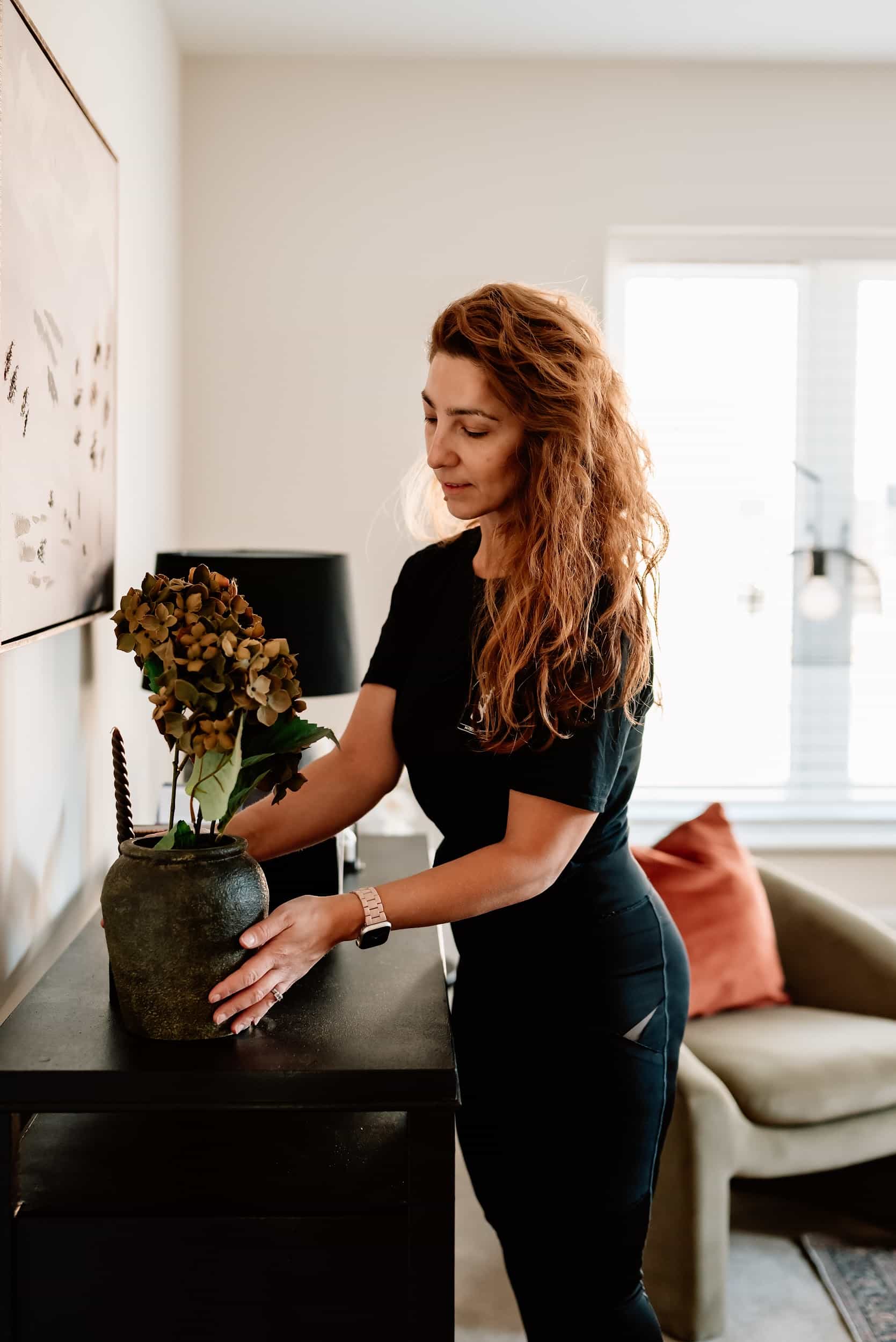
- Styling and accessorising: adding neutral artwork, mirrors to bounce light, fresh bedding, plants, towels that match, and small details that photograph well.
- Light management: choosing bulbs with consistent warmth, adding lamps in dark corners, pulling back heavy curtains, and making sure daylight is the hero.
- Simple cosmetic tweaks: touching up scuffs, painting a loud feature wall to a calmer neutral, changing dated handles, and fixing minor snags that scream “maintenance”.
What they don’t do is equally important, because this is where expectations (and budgets) go wrong:
- They don’t usually do major renovations (no new kitchens, no rewires, no structural changes).
- They don’t replace an estate agent or negotiate offers.
- They don’t create a forever home design scheme built around your preferences.
If you want the broader case for why these changes affect buyer decisions, the explanation in why staging works for UK sellers is a useful companion read.
Home Staging Vs Estate Agent Styling Vs Interior Design
A seller can get three different types of “help” and assume they’re the same. They’re not, and the difference matters when you’re choosing who to pay.
Home staging aims for mass appeal so more buyers feel comfortable. The style is usually neutral, clean, and slightly aspirational. A stager might remove half your ornaments, swap your bold rug for a calmer one, and turn the box room into a clear home office so buyers understand the layout.
Estate agent styling tends to be lighter-touch guidance as part of the listing service. A good agent might suggest decluttering, putting away family photos, or repainting the bright red wall. But most agents won’t have a store of furniture, accessories, or a staging plan that covers flow, lighting, and photography.
Interior design is about your long-term living experience. A designer may recommend your favourite colours, made-to-measure joinery, or a layout tailored to how your family uses the home. That can be brilliant, yet it can also be too personal for selling, where the goal is to help strangers imagine their own life there.
How House Staging Works: The Typical Process From Walkthrough To Photos
Most sellers leave staging until a week before photos, then scramble. The smoother route is to treat staging like a short project with clear stages, because time pressure creates rushed choices (and rushed choices show up in listing photos).
A typical house staging process in the UK looks like this:
- Initial walkthrough (in-person or video)
The stager reviews each room with fresh eyes and asks practical questions: who lives here, what can be packed away, what furniture can stay, and what the timeline is. They’ll also look for common deal-breakers: strong pet smells, damp corners, dark rooms, and awkward layouts.
- A staging plan you can act on
You should get a clear list of priorities, not vague comments. For example: “Paint the lounge feature wall to warm white, change bulbs to 2700–3000K, remove the tall bookcase, and add a larger mirror opposite the window.” A good plan also tells you what not to waste money on.
- Declutter, pack, and deep clean
This is the unglamorous part that moves the needle. We often see sellers clean what’s visible but forget the “buyer sniff test”: bins, drains, pet bedding, and soft furnishings that hold odours. The stager will usually push for a cleaner baseline because styling can’t hide grime in close-up photos.
- Light maintenance and micro-upgrades
Think “Saturday jobs” rather than building work: filling holes, touching up paint, fixing wobbly handles, replacing a cracked lampshade, or adding a fresh bead of sealant where it’s gone grey. These small fixes reduce the sense that the home needs work.
- Staging day: layout, styling, and finishing
Furniture moves first (flow and proportion), then textiles (curtains, rugs, bedding), then accessories (art, cushions, plants). Good stagers keep surfaces calm so rooms photograph larger. They’ll also stage lifestyle cues carefully: two place settings on the table, not a full dinner party.
- Photo readiness check (and a “buyer route”)
Before the photographer arrives, the stager checks the route a buyer takes: front door, hallway, main living space, kitchen, main bedroom, bathroom, garden. If the first three minutes feel effortless, viewings tend to go better.
If you like seeing how these steps translate into outcomes, the case study on from no viewings to a full price offer shows the common pattern: fix first impressions, then improve photos, then improve enquiry quality.
What Home Stagers Focus On First: The High-Impact Rooms And Fixes
When budget is tight, the risk is spending money where it feels satisfying but doesn’t affect buyer behaviour. A home stager usually starts with the areas that dominate listing photos and shape the emotional response in a viewing.
1) The front approach and hallway (the “first 10 seconds”)
If a buyer walks in and immediately sees coats piled up, shoes everywhere, and a dark corridor, they assume the rest of the home is cramped. Quick wins include a slim console, one mirror, a brighter bulb, and a clear floor line from door to stairs. Even a £25 doormat that looks clean and modern can lift the first photo.
2) The living room (where buyers decide if it feels like home)
Stagers look for three things: seating that faces a focal point, a clear walkway, and balanced light. A common fix is removing one extra chair and pulling the sofa away from the wall so the layout looks intentional, not “pushed back for space”. If the room is north-facing, adding two lamps can make photos look warmer and evenings feel more inviting.
3) The kitchen (the “value” room)
A kitchen does not need to be brand new to sell well, but it does need to look easy to live in. Stagers often clear worktops to a few items: a chopping board, a plant, and a nice soap set. They’ll also check bins, limescale around taps, and harsh lighting that makes the space look cold.
4) The main bedroom (calm sells)
The fastest staging win is a hotel-style bed: fitted sheet, smooth duvet, two sleeping pillows, two cushions, and a throw. Matching bedside lamps and uncluttered surfaces matter because buyers look for a sense of rest, not personality. If wardrobes are bursting, a stager will ask you to remove a third of the contents because buyers always open storage.
5) Bathrooms (cleanliness signals maintenance)
A buyer reads a bathroom like a report card. New white towels, tidy grout, a clean mirror, and a simple tray with soap can lift the whole feel. If the sealant is mouldy, redoing it is cheap and instantly improves trust.
The high-impact fixes that come up again and again
- Neutralising colour where it dominates photos (strong teal walls, bright red dining rooms). A soft neutral can make rooms feel bigger.
- Solving lighting (mismatched bulb colours make photos look messy).
- Reducing visual noise (too many frames, too many small ornaments, busy patterns fighting each other).
- Improving scale (a tiny rug can make a room look oddly proportioned: a larger rug often makes the space feel more expensive).
The point is not to make the home look bland. It’s to make the property easy to read, so a buyer can imagine their own furniture and routine fitting into the space.
How Much Does a Home Stager Costs In The UK (And Common Pricing Models)
The most expensive mistake sellers make is guessing. They either avoid staging because they assume it’s “London money”, or they spend on random upgrades that don’t change the listing performance.
Home stager pricing in the UK varies by region, property size, and whether the home is occupied or empty. In practice, you’ll usually see a mix of these models:
1) Consultation-only (best for confident DIY sellers)
You pay for a walkthrough and a written action plan. This suits sellers who can declutter, paint, and style with what they already own. The value is in knowing what to do first so you don’t waste weekends.
2) Hourly rate (good for small, focused fixes)
Some stagers charge an hourly rate for hands-on help, often for occupied homes where you’re mostly optimising layout and accessories. Typical ranges you’ll see quoted across the market can sit roughly between £25 and £200 per hour, depending on experience and location. The key is to agree on a capped time budget so the scope doesn’t drift.
3) Per-room pricing (simple to compare, but check definitions)
A per-room package might cover styling, minor accessories, and guidance, often quoted at around £300 to £700 per room in broad market examples. Ask what counts as a “room” (is a hallway a room, are bathrooms included, what about open-plan spaces?).
4) Full staging with furniture hire (common for empty homes)
If the property is vacant, furniture hire becomes the main cost. Many staging companies price on a minimum hire period (often 8 weeks), with extension fees if the property stays on the market. The upside is that empty homes often photograph poorly: furnishing them can transform click-through and viewing requests.
What affects the quote most
- Vacant vs lived-in: empty homes usually need furniture packages.
- Speed: staging in 72 hours costs more than staging with two weeks’ notice.
- Access and parking: city centres and flats without lifts add labour time.
- Property type: period homes may need different styling to avoid clashing with features.
A practical way to sanity-check costs
We suggest comparing the staging cost to two other numbers: (1) the monthly cost of holding the home (mortgage, council tax, utilities), and (2) the “likely first price drop” you would consider after a few quiet weeks. If staging is less than either of those, it often becomes easier to justify.
If you want a feel for where staging can support stronger negotiation, the guide on how to sell over asking is a helpful lens, because presentation is one of the few levers you can control before you hit the market.
Does Staging Increase Sale Price Or Reduce Time On Market? How To Think About ROI
A property can be “worth” a number on paper and still sit on the market because buyers don’t feel it. ROI from staging is less about magic and more about avoiding the two big losses: weak first-week interest and unnecessary price reductions.
Here’s how we think about staging ROI in a way that’s grounded and useful.
1) Staging improves the listing photos, which improves enquiries
Most buyers decide in seconds while scrolling. If rooms look smaller, darker, or messier than they are, you lose the best buyers before they even book a viewing. Staging works because it creates clearer, brighter images and a stronger “this could be mine” feeling.
Concrete example: an empty living room with no scale can look like a cold box. Add a sofa, rug, art, and a lamp, and buyers instantly understand how a family would use it.
2) Staging can reduce time on market by removing objections
Long time on the market becomes a signal. Buyers assume something is wrong, then they negotiate harder. Staging tackles the common objections before they form: clutter that hides space, poor lighting that makes rooms feel gloomy, and layouts that confuse.
3) Staging protects price by supporting a stronger first impression
When a home launches well, you’re more likely to get competitive interest early. That doesn’t guarantee a higher sale price, but it can reduce the chance you accept a lower offer just to end the stress.
A simple ROI framework we can use:
- Cost of staging (consultation + any hire + cleaning/paint)
- Cost of delay (monthly holding costs × expected extra months if it doesn’t show well)
- Cost of a price reduction (even a 1–2% drop on a typical UK sale price can dwarf staging fees)
If staging costs £3,000 and a single price reduction would be £5,000, the decision becomes less emotional and more practical.
4) ROI depends on the type of property and buyer
Staging tends to have the biggest effect where buyers rely heavily on photos and imagination:
- Empty properties (harder to read size and function)
- Dated decor (buyers overestimate the cost of change)
- Homes with awkward layouts (need help showing a sensible use)
- Rental or inherited homes that feel neglected
If your property is already modern, tidy, and well-lit, ROI may come from small tweaks rather than full staging. And that’s still a win: the best staging plan often tells you to do less, not more.
When You Should Hire A House Stager (And When You Shouldn’t)
It’s easy to treat staging like a luxury. The reality is that it’s a tool, and like any tool it’s perfect in some situations and unnecessary in others.
Hire a home stager when it’s likely to move the needle
1) You’ve had viewings but no offers
That pattern often signals a gap between online expectation and in-person feel. A stager can align the property with what buyers hoped for: better layout, clearer purpose for rooms, and fewer distractions.
2) The home is empty (or will be once you move out)
Empty homes often feel smaller and colder, and photos can look flat. Furniture gives scale and helps buyers understand how the home works day-to-day.
3) You’re too close to it to see the issues
Most of us stop noticing worn paint, awkward furniture placement, or the way the hallway piles up with coats. A stager brings an outside perspective that mirrors the buyer’s first look.
4) You need speed
If you’re buying onward, dealing with probate timelines, or relocating for work, time matters. Staging can be one of the fastest ways to improve listing performance without months of building work.
You might skip hiring a pro when the basics will do
1) The home already presents well
If it’s clean, neutral, bright, and well laid out, you may only need a consultation and a short to-do list rather than a full staging package.
2) You have a very limited budget and high uncertainty
If paying for staging would create financial strain, start with the free or low-cost wins: declutter, deep clean, bulbs, paint touch-ups, and better photos. A stager can still help via a one-off consult, which is often the best compromise.
3) You actually need renovation, not presentation
If there’s damp, severe wear, broken windows, or major kitchen/bathroom failure, staging won’t hide it. In those cases, spend on fixing the real issue or price accordingly.
A good stager will tell you when their service isn’t the best next step. If someone promises a guaranteed sale price uplift without seeing the property details, treat that as a warning sign rather than reassurance.
How To Choose A House Stager: Questions To Ask, Portfolios To Check, Red Flags
Choosing the wrong stager subtly wastes money: the home looks “styled”, but it still doesn’t attract the right buyers. The goal is not to impress your friends: it’s to help strangers feel comfortable paying your asking price.
What to look for in a portfolio
Start with evidence, not promises. A useful portfolio shows:
- Before-and-after shots of real properties, not just pretty room corners.
- Variety in property types (flats, terraces, family homes) so you know they can adapt.
- Consistent lighting and layout improvements, not just cushions and candles.
- Photos that look like UK listings, not showroom sets that feel unrealistic.
If you want to see the sort of work that translates to sale-ready images, browsing a stager’s home staging gallery and portfolio can help you judge whether their style fits your local market.
Questions we’d ask before booking
A good stager should answer clearly, without waffle:
- What’s included in your quote? (consultation, styling time, accessories, furniture hire, photography prep)
- What is the timeline from walkthrough to photos? Give exact dates and contingencies.
- Do you stage occupied homes, empty homes, or both? Ask for examples that match your situation.
- How do you work with estate agents and photographers? Coordination matters because photos sell the viewing.
- What are the likely “highest impact” changes in my property? You want prioritisation, not a shopping list.
- What do you need us to do before staging day? Packing, cleaning, small repairs, get it written down.
Red flags that often predict disappointment
- They can’t explain their decisions beyond “it looks nice”. Staging should have a reason: space, light, flow, buyer psychology.
- They only show heavily filtered photos or AI-looking images. You need realistic results.
- They push expensive furniture hire without assessing whether your own furniture could work.
- They avoid talking about constraints (budget, timelines, lived-in reality). Real homes have mess, kids, dogs, and deadlines.
A quick note on “fit”
We’re big believers in choosing providers the same way you’d choose a financial adviser: look for a clear process, honest expectations, and someone who can explain trade-offs. You don’t want theatrics: you want confident, practical judgement that protects your outcome.

DIY Staging Checklist: A Practical Plan If You’re Not Hiring A Pro
If you’re doing this yourself, the risk is burning two weekends on the wrong jobs, then rushing photos with a half-finished home. This checklist keeps DIY staging focused on the changes buyers actually respond to.
Step 1: Set the target and timeline (30 minutes)
- Pick your photo date and work backwards.
- Decide which rooms will be “hero rooms” (usually: living room, kitchen, main bedroom).
- Book a deep clean if you can. If not, assign specific tasks to specific days.
Concrete detail: put reminders in your calendar for “bulbs + batteries”, “paint touch-ups”, and “car boot charity run” so decluttering doesn’t drift.
Step 2: Declutter by category, not by room (2–6 hours)
- Remove 50% of ornaments, 30% of books, and anything on the floor that doesn’t need to be there.
- Clear kitchen worktops to a few items.
- Reduce wardrobe contents (buyers check storage).
Actionable step: pack items into identical boxes or bags and label them “Not for viewing” so they don’t creep back out.
Step 3: Deep clean like a buyer will inspect (3–8 hours)
- Skirting boards, light switches, door handles.
- Windows inside, and mirrors.
- Limescale around taps and shower screens.
Concrete detail: if you can smell pets as soon as you walk in from outside, buyers will too. Wash pet bedding and consider professional carpet cleaning for the main route through the home.
Step 4: Fix the “nagging” snags (2–5 hours)
- Replace blown bulbs so every light works.
- Tighten loose handles.
- Fill and paint small scuffs.
Example: a £6 tube of white sealant in a tired bathroom often makes a bigger difference than a new bathmat.
Step 5: Reset furniture for flow (1–3 hours)
- Create a clear path from door to window.
- Pull furniture slightly away from walls if it helps the room breathe.
- Remove one piece that makes the space feel tight.
Actionable step: take a quick phone photo from the doorway. If the room looks cramped in the photo, it will look cramped online too.
Step 6: Style for photos (30–90 minutes)
- Make beds crisp and symmetrical.
- Use matching towels in bathrooms.
- Add a plant or flowers for life (one statement, not five small ones).
Concrete detail: keep accessories in a single colour family (for example, black + cream + natural wood) so photos look calm.
Step 7: The viewing routine (10 minutes before each viewing)
- Open blinds, turn on lamps.
- Put bins out of sight.
- Clear the hallway and kitchen sink.
If you need motivation from real-world results, the story of three houses sold in under a week is a reminder that small presentation changes can affect urgency and buyer confidence, especially in the first week on the market.
Conclusion
A home stager is not a magician and they can’t fix a property that needs major work. But in 2026, when most buyers shortlist homes from photos and make quick judgements at viewings, staging is one of the few practical levers we can pull to improve demand, protect price, and reduce the stress of a slow sale.
If we’re unsure, we don’t have to jump straight into full furniture hire. We can start with a clear walkthrough plan, tackle the highest-impact rooms first, and measure the difference in photos, enquiries, and viewing feedback. That’s the calm, numbers-led way to decide if staging pays off for our home.
Home Staging Frequently Asked Questions
What exactly does a home stager do to prepare a home for sale?
A home stager declutters with purpose, rearranges furniture to improve flow, styles rooms with neutral accessories, manages lighting for brightness, and makes minor cosmetic fixes. Their goal is to make the home appealing to the broadest range of buyers, not to undertake major renovations or personalised designs.
How does home staging differ from estate agent styling and interior design?
Home staging creates a neutral, market-friendly look to help sell a property quickly. Estate agent styling offers light advice like decluttering, usually without staging supplies. Interior design focuses on the homeowner’s personal tastes for long-term living, which may not appeal broadly to buyers.
What is the typical process when hiring a home stager in the UK?
The process usually starts with a walkthrough to assess the property, followed by a clear staging plan. Then, decluttering, deep cleaning, minor repairs, furniture rearrangement, styling, and a final photo-ready check happen before photography to maximise buyer appeal.
Which rooms in a home do home stagers focus on first for the biggest impact?
Stagers prioritise high-visibility rooms like the front hallway, living room, kitchen, main bedroom, and bathrooms. They work on lighting, neutral colours, decluttering, and flow to create a welcoming first impression that helps buyers imagine living there.
How much does hiring a home stager typically cost in the UK?
Costs vary by region and service type but generally range from £25 to £200 per hour, or £300 to £700 per room. Full staging with furniture hire for empty homes can involve a minimum 30-day hire period. Pricing depends on home size, occupancy, and urgency.
When should I consider hiring a professional home stager?
Hire a stager if your home is empty, dated, cluttered, or has had viewings but no offers. A stager helps align your property’s presentation with buyer expectations, speeding the sale and protecting price. If your home is already in great condition, a consultation or DIY approach may suffice.