
A vacant property can look smaller, colder, and harder to price in a buyer’s mind, especially when they’re scrolling listings at speed. If you want viewings to turn into offers, you need rooms that feel easy to live in and simple to understand. Home staging furniture rental gives you that “ready-to-move-in” look without the cost, hassle, or storage headaches of buying. In this guide, we’ll show you what to expect, what it costs, and how to pick a package that fits your timeline.

Key Takeaways
- Home staging furniture rental offers a cost-effective, hassle-free way to showcase empty properties by creating a ready-to-move-in look that appeals to buyers.
- Choosing the right home staging furniture rental package depends on your property type, buyer profile, and marketing timeline to ensure the best presentation and value.
- Prioritise staging key rooms, such as the living room, main bedroom, and dining area, to maximise impact on buyer perception and online listing appeal.
- Engage a reputable rental company that provides high-quality furniture, clear insurance policies, punctual delivery, and styling services for a seamless staging experience.
- Be aware of all costs, including hidden extras such as delivery constraints, insurance fees, and potential extension charges to avoid unexpected expenses.
- Treat home staging furniture rental as a strategic sales decision by setting a realistic budget, reducing risks via clear contracts, and timing the staging properly with marketing and photography.
What Home Staging Furniture Rental Is (And When It Beats Buying Or DIY Styling)
A home can be perfectly decent and still sit on the market because it doesn’t read well online. Empty rooms confuse scale. Overfilled rooms feel cramped. And DIY styling often ends up as a mix of Facebook Marketplace finds that photograph badly.
Home staging furniture rental is a short-term service where we hire furniture, soft furnishings, lighting, art, and accessories to furnish a property for sale (or sometimes to let). The goal isn’t to reflect the owner’s taste. The goal is to help the widest pool of buyers picture an everyday life there, quickly.
Here’s when rental usually beats the alternatives:
- It beats buying when the property is empty, you need speed, and you don’t want to spend thousands upfront on items you’ll then store, sell, or dispose of. For example, furnishing a two-bed from scratch can easily run into several thousand pounds once you include beds, mattresses, dining set, rugs, lamps, and delivery, and then you still own it all.
- It beats DIY styling when you need a consistent look across rooms. Buyers notice when the living room is “Scandi” but the bedroom looks like a student move-in. Rental companies curate ranges so the whole home feels joined up.
- It beats borrowing furniture when you can’t control sizes and condition. A sofa that’s too big can make a decent lounge feel awkward, which then shows up in photos and during viewings.
Where it’s most effective:
- Empty homes (the biggest win). Even one staged room can give the listing a focal point.
- Probate and downsizing sales where the home has been cleared and you want a calm, neutral feel.
- Developer plots and refurbished flips where you’re selling a lifestyle, not just square footage.
- Landlord upgrades where you’re marketing to better tenants or a higher rent bracket.
If you want a deeper explanation of why staging changes buyer behaviour (and why it often improves the quality of enquiries), our view is covered clearly in why home staging helps, with examples of how presentation affects perceived value.
How The Rental Process Works: Survey, Design, Delivery, Styling, Collection
The most common mistake we see is leaving staging until the photographer is already booked. That’s when you end up paying for rush delivery, accepting “whatever’s available”, or launching with empty-room photos that you can’t easily replace once the listing loses its fresh momentum.
A good home staging furniture rental process is simple, but it’s still a process. Here’s what it normally looks like in real life.
- Survey (in-person or remote)
We measure key rooms, check access (stairs, tight hallways, parking), and note what the property needs to show. For example, an awkward alcove might become a home office zone, or a box room might be staged as a nursery rather than a sad single bed.
- Design and package selection
We choose furniture sizes first (sofas that don’t block walkways, beds that don’t swallow the room), then build a look that fits the property type and buyer profile. A modern city flat might suit cleaner lines and lighter wood: a period terrace often benefits from warmer textures and softer curves.
- Schedule and prep checklist
Before delivery day, we’ll usually ask you to confirm the basics:
- property is cleaned (including windows)
- heating works (cold homes feel damp, even when they’re not)
- bulbs replaced (warm white, consistent colour temperature)
- any snags finished (paint touch-ups, silicone lines, sticking doors)

- Delivery and installation
Most providers deliver within a lead time that can range from a couple of days to a couple of weeks, depending on stock and location. On the day, the team positions large items first (sofa, bed, dining table), then builds layers: rugs, lamps, art, cushions, throws, and simple accessories.
- Styling for photos and viewings
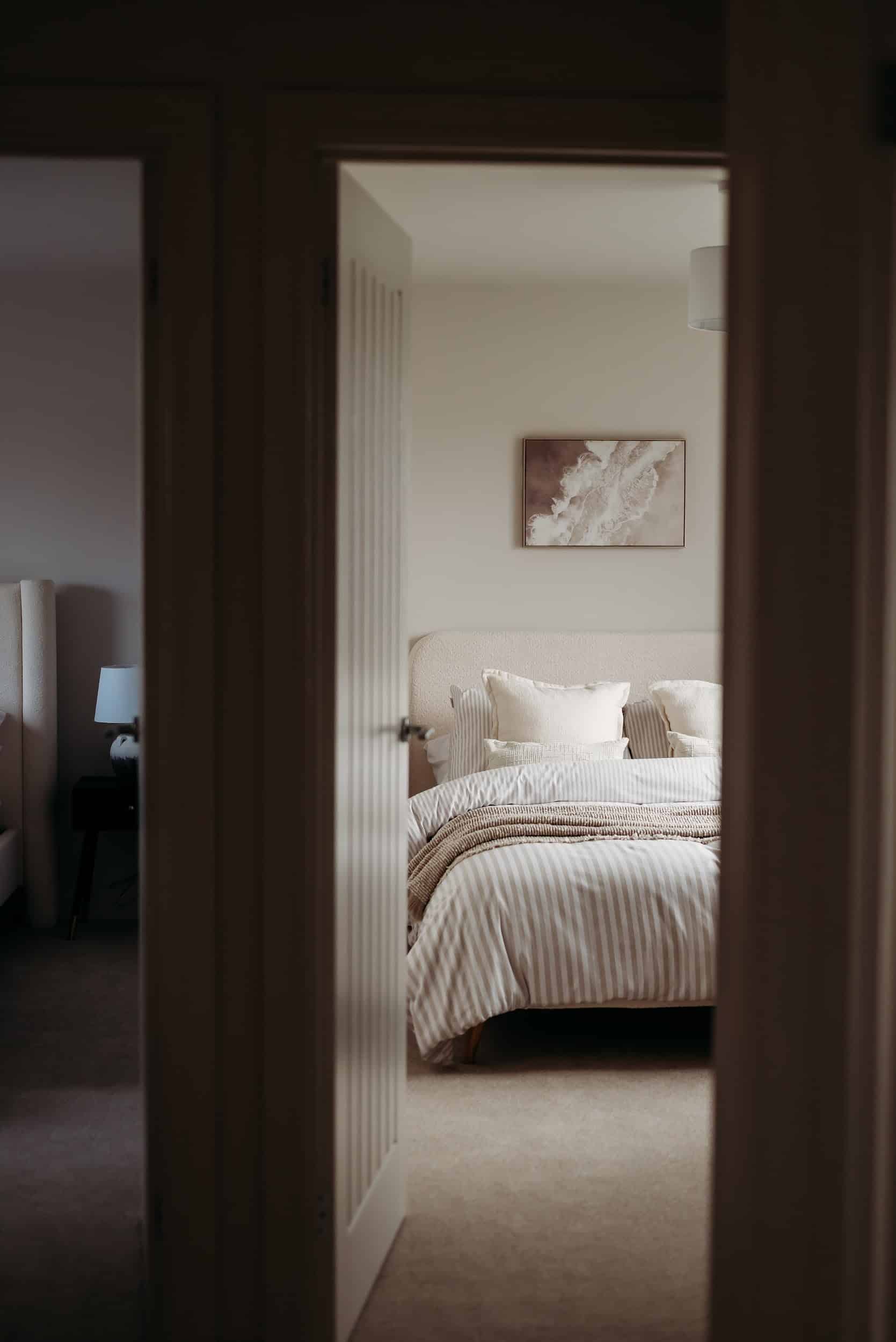
This is where “furnished” becomes “staged”. A staged living room might include a rug sized to the sofa zone (not a postage stamp), a coffee table with a simple book stack, and lighting that makes corners feel finished. In bedrooms, the difference is often as basic as properly dressed beds, bedside lamps, and artwork that draws the eye up.
- Collection (and extensions if needed)
Once you’ve exchanged or you’re ready to end marketing, the company collects everything. If the sale drifts, say, a chain collapses, extensions should be straightforward if you’ve understood the terms upfront (we’ll cover the contract side below).
If you’d like a feel for what “before and after” staging can look like in practice, the home staging portfolio is useful for spotting patterns, especially how layouts get simplified to make rooms easier to read online.
Costs And Pricing Models: What You’ll Pay, What’s Included, And Hidden Extras
Costs can jump fast when you assume staging is “just a sofa and a bed”, then discover you’re paying extra for delivery floors, longer hire periods, or missing items that make the photos fall flat. So we like to price it the way we’d budget any other sale-related decision: what’s the minimum spend that still creates a clear lift in buyer perception?
Common pricing models in the UK
Most home staging furniture rental providers use one of these:
- Room packages (e.g., lounge + main bedroom + dining area). This is often the most cost-effective way to get a coherent look because accessories and lighting are usually built in.
- Whole-property packages (e.g., 2-bed, 3-bed, show-home style). This suits empty homes where every room will be photographed.
- Monthly hire with a minimum term. Many companies prefer a minimum period (often measured in weeks or months) because delivery, install, and collection are the heavy-lift costs.

What’s typically included (and what to confirm)
A solid package often includes:
- main furniture pieces (sofa, armchair, coffee table, bed frame, bedside tables)
- soft furnishings (loads of cushions, throws, bedding)
- accessories (artwork, mirrors, plants, vases)
- lighting (table lamps, floor lamps)
- delivery, installation, and collection
But always confirm specifics in writing. For example, a “bedroom set” may or may not include a mattress, and a “dining area” may be styled as a two-seat bistro setup rather than a full family table.
Hidden extras that catch people out
These aren’t always “bad” charges, many are reasonable, but they should never be a surprise:
- delivery constraints: difficult access, long carries, no lift, narrow stairwells
- rapid turnaround: staging within 48–72 hours can carry a premium
- additional weeks/months: extensions are common if the sale takes longer
- damage waivers or insurance fees: some firms include insurance, others charge
- professional photography add-ons: some staging firms partner with photographers
- cleaning fees: particularly if items come back marked or smelling of smoke
A practical way to judge value (without guessing)
We suggest asking for two quotes:
- A “minimum effective” package: stage the living room and main bedroom, plus a simple dining spot if space allows.
- A “best listing” package: stage everything the photographer will shoot, including second bedrooms and awkward landings.
Then compare the difference against your price point and market conditions. If you’re aiming to attract first-time buyers, the minimum package often does the job. If you’re selling a higher-value home, the best-listing package can pay back by lifting perceived finish and reducing objections during viewings.
If you’re also thinking about price strategy and how presentation can support a stronger offer position, the examples in how to sell over asking are a good prompt for aligning staging, photos, and launch timing.

How To Choose The Right Package For Your Property And Timescale
Choosing the wrong package is usually not about taste. It’s about timing. If you pick a three-month minimum hire when you only need a two-week marketing window, you’ll resent every extra week. If you pick a tiny package for a large open-plan space, the home will still look empty in photos.
We use a simple matching approach: property type + buyer type + launch deadline.
Step 1: Start with your sales plan, not the furniture
Ask three practical questions:
- When do we want photos live? If your agent wants to launch next Friday, you need staging booked now, not “when we’ve painted the spare room”.
- What’s the likely buyer or tenant profile? Young professionals, families, downsizers, investors all respond to different cues.
- What objections will viewers raise? Lack of dining space? Nowhere to work from home? Small bedrooms?
Concrete example: in a two-bed flat, staging a small second bedroom as a home office with a compact desk and decent chair can stop buyers mentally discounting the room as “too small to be useful”.
Step 2: Decide on full vs partial staging
Partial staging often wins when:
- the property is occupied but cluttered (we remove, simplify, and add a few hero pieces)
- budgets are tight but you still need a clear lift in photos
- the home’s layout is obvious, but it needs warmth and scale
Full staging tends to win when:
- the home is empty (especially new builds and probate sales)
- you need to show how rooms work (open-plan, odd-shaped lounges)
- you want to photograph every key room and avoid “dead space” shots
Step 3: Match style to the property, not Instagram
We aim for neutral, current, and local-market appropriate. That usually means:
- lighter tones to increase the sense of space
- layered textures (rugs, cushions, throws) to stop rooms feeling flat
- minimal but intentional accessories (too many small items can look like clutter)
A Victorian terrace in Wiltshire can take more warmth and character than a city-centre flat in a modern block, but both still need clean lines and practical proportions.
Step 4: Build a timeline that reduces stress
A workable timeline for most sales looks like:
- week 1: survey + quote + confirm package
- week 2: minor repairs + deep clean
- week 3: delivery + styling + photography
- week 4: launch + first wave of viewings
If you’re under pressure, the best lever is usually reducing decisions. Pick a package that’s known to work for your property type, get it installed, and focus on a clean launch.
Service level: delivery vs styling
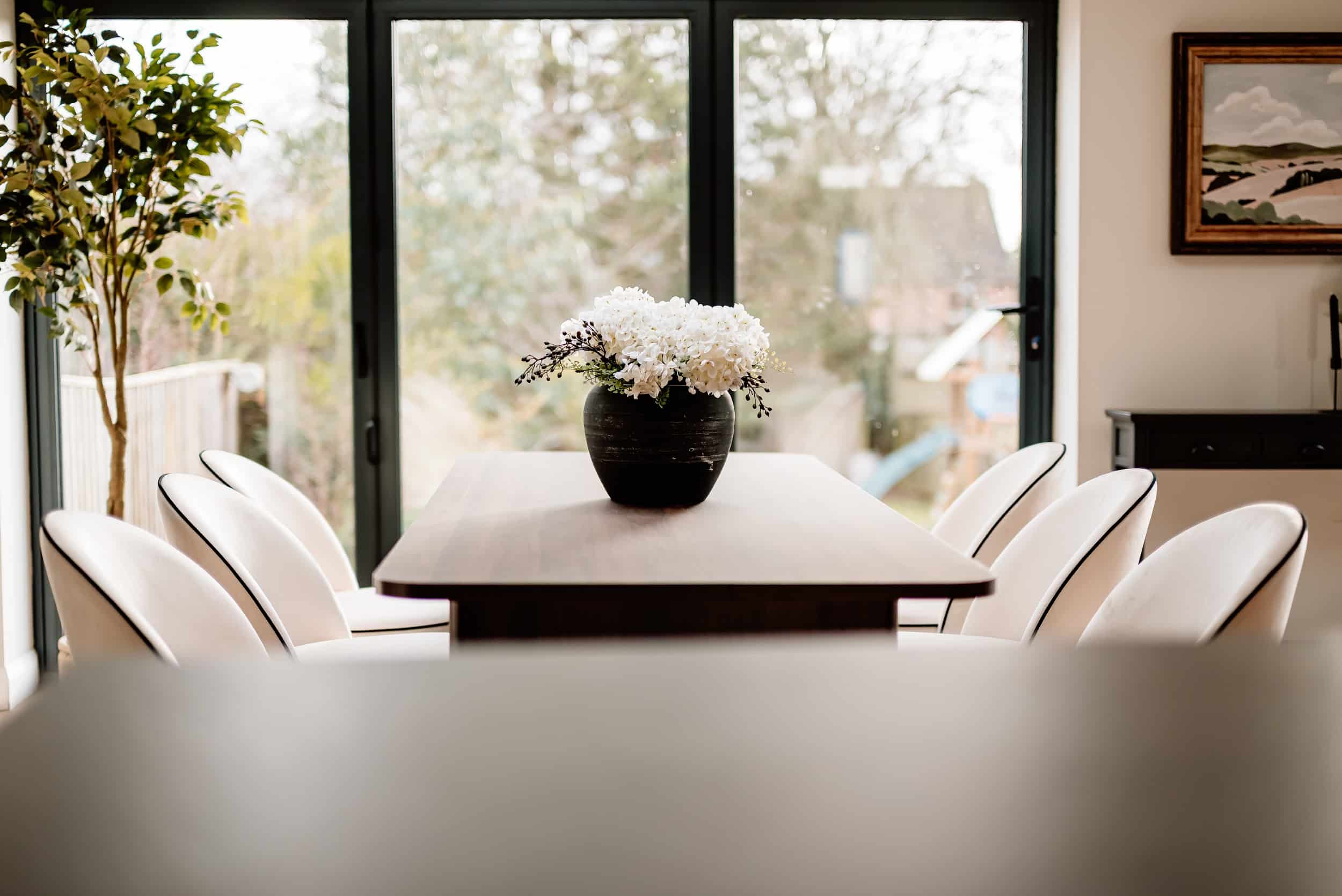
Some companies drop furniture off. Others style fully: made beds, layered cushions, art hung, accessories placed, lamps positioned to soften corners. If your goal is faster sale and stronger first impressions, that second option usually pays back because photos improve.
If you’d like a quick snapshot of what “results” can look like when staging is done well and launched at the right moment, the case study from no viewings to a full price offer is a useful reference point.
Contracts And T&Cs To Understand Before You Sign
A staging contract looks harmless until the sale drifts, a tenant moves in earlier than planned, or a decorator nicks a table leg. That’s when “standard terms” become very real, very quickly.
Before we sign anything, we look for clarity in three areas: hire period, liability, and what triggers extra charges.
At a minimum, your agreement should spell out:
- the exact items included (or package name with a schedule)
- delivery and collection dates (or the rules for setting them)
- minimum hire term and how extensions are charged
- access requirements (keys, parking, someone present)
- what counts as fair wear and tear
- cleaning expectations (especially if the home is occupied)
Damage, Deposits, And Insurance: Who’s Liable For What (And How To Reduce Risk)
Damage is the most common flashpoint, and it usually happens in predictable ways: delivery scrapes, trade tools catching upholstery, or viewers brushing past tight corners.
Check these specifics:
- Deposit required: Is it a cash deposit, a pre-authorisation, or none at all? If there is a deposit, what’s the refund timeframe after collection?
- Insurance included: Does the rental company carry cover for its own items while on site, and is accidental damage included or excluded?
- Your responsibility: If the property is occupied, you may be liable for children, pets, or visitors. If it’s empty, the risk shifts to viewings and trades.
How we reduce risk in practice:
- keep walkways wide (no low stools in narrow halls)
- avoid glass tables in tight family homes
- use rugs with grips to reduce trip risk
- schedule staging after major works finish, not before
If you’re working with an agent, agree who holds keys and who is responsible for locking up after viewings. That one detail can prevent both damage and loss.
Extensions, Early Collection, And Sale Delays: Avoiding Overage Charges
Sale timelines rarely behave. Chains wobble. Mortgage offers expire. Survey issues appear. And each extra week can add cost if you’ve picked the wrong hire structure.
Before you sign, confirm:
- extension pricing: is it pro-rata weekly, fixed monthly blocks, or a new minimum term?
- notice period: do you need to give 7 days’ notice for collection, or 48 hours?
- early collection rules: if you exchange quickly, can you end the hire early, or do you still pay the minimum?
A simple way to protect your budget is to choose a hire term that matches your realistic marketing window, not your best-case scenario. For example, if similar properties locally average 8–10 weeks from list to sold subject to contract, a 4-week hire can look cheap but become expensive through rolling extensions.
If you want a sense of how quickly staging can help a home move when the launch is handled well, the story 3 houses sold in under a week is worth a look for timing cues and expectations.
Room-By-Room Staging Priorities When You’re Renting Furniture
When budgets are tight, the temptation is to “spread” furniture thinly across every room. The result is often a home that still feels underdone. We’d rather stage fewer rooms properly, because that’s what changes photos, viewings, and buyer confidence.
Here’s the room-by-room priority order we use most often, with concrete rental choices that make a difference.
